Math Articles, tips & study guides
 FTCE Math Prep (General Knowledge Test): The Ultimate Step by Step Guide Plus Two Full-Length FTCE Practice Tests Original price was: $18.99.$12.99Current price is: $12.99.Download
 6th Grade West Virginia Math for Beginners Original price was: $21.99.$14.99Current price is: $14.99.Download
 8th Grade Hawaii Math for Beginners Original price was: $21.99.$14.99Current price is: $14.99.Download
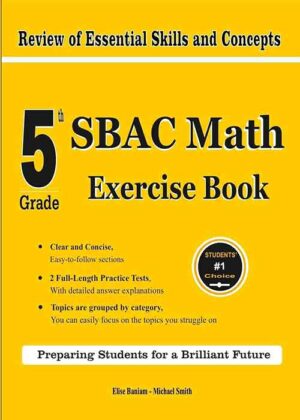 5th Grade SBAC Math Exercise Book: Review of Essential Skills and Concepts With 2 SBAC Math Practice Tests Original price was: $18.99.$12.99Current price is: $12.99.Download
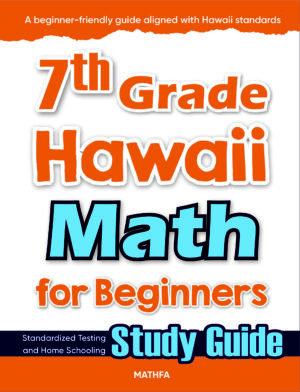 7th Grade Hawaii Math for Beginners Original price was: $21.99.$14.99Current price is: $14.99.Download
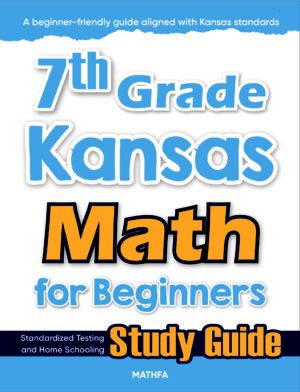 7th Grade Kansas Math for Beginners Original price was: $21.99.$14.99Current price is: $14.99.Download
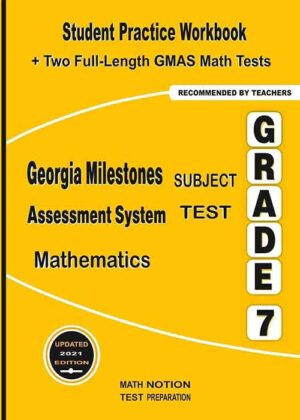 Georgia Milestones Assessment System Subject Test Mathematics Grade 7: Student Practice Workbook + Two Full-Length GMAS Math Tests Original price was: $18.99.$12.99Current price is: $12.99.Download
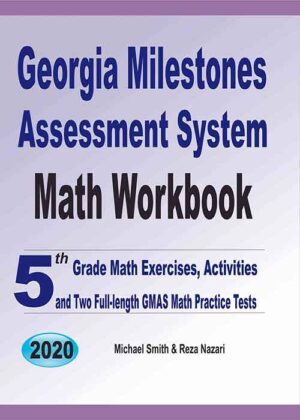 Georgia Milestones Assessment System Math Workbook: 5th Grade Math Exercises, Activities, and Two Full-Length GMAS Math Practice Tests Original price was: $18.99.$12.99Current price is: $12.99.Download
 7 MCAs Math Prep Tips for Minnesota Students
 STAAR Math Test Prep for Grades 6-8: A Parent’s Guide (2026)
 7 Proven Accuplacer Math Prep Strategies
 A Smart Math Homework Help Strategy That Builds Real Skills
 How to Help Your Child With Math Homework (Even If You Are Not a Math Person)
How to Prepare for a Math Test: Proven Study Tips

Math tests make a lot of students nervous, but they’re also among the most preparable exams there are. Because math is built on specific, practiceable skills, knowing how to prepare for a math test the right way can turn anxiety into confidence and raise your score regardless of how you feel about the subject. Whether it’s a weekly quiz, a chapter test, a final, or a standardized exam, the same proven approach works. This guide walks through exactly how to study for a math test, from planning your review to practicing effectively to staying calm on test day.
The most reliable path to a strong result is active, focused math test prep: targeted review of what’s covered, plenty of practice problems, and smart test-taking habits. Below we’ll cover how to prepare in the days before, the mistakes to avoid, and how steady math practice builds the confidence that lets your real ability show on test day.
Find out exactly what’s covered
The first step in preparing for any math test is knowing precisely what it includes. Check with your teacher or your syllabus for the specific topics and the format, multiple choice, show-your-work, or a mix. Studying the right material is far more efficient than guessing, and it immediately makes a looming test feel more manageable.
Once you know the scope, turn it into a simple checklist of every topic you’ll be tested on. This transforms a vague, anxiety-inducing “big test coming” into a concrete list you can work through one item at a time. Knowing exactly what you’re responsible for is itself a powerful way to reduce stress.
Start early, study in short sessions
The biggest mistake students make is cramming the night before. Math skills consolidate through practice over time, not in one marathon session, so spreading your review across several days is far more effective. Even three or four short study sessions beat one long, exhausting one, because spaced practice helps the material actually stick.
Starting early also gives you time to discover what you don’t understand while there’s still time to fix it. A student who begins a week out can find a weak topic, get help, and master it before the test, while a last-minute crammer can only worry about it. Time is your most valuable study resource.
Practice problems, don’t just read
Math is a doing subject, so the core of your preparation should be working problems, not rereading notes or watching explanations. You only find out whether you truly understand a concept when you apply it yourself. Reading a solved example can feel like learning, but working a similar problem unaided is the real test of understanding.
Work plenty of practice problems for each topic on your checklist, and treat the ones you get wrong as the most valuable, since they reveal exactly what to fix. This active, problem-solving approach is far more effective than passive review, and it’s the surest way to be ready for whatever the test asks.
Take a practice test under real conditions
A practice test taken under realistic, timed conditions is one of the most powerful tools you have. It reveals which topics still need work, builds the stamina and pacing the real test requires, and makes the actual exam feel familiar rather than intimidating. Few things prepare you better than rehearsing the real thing.
Afterward, review every mistake carefully to understand why you missed it and how to do it right. This review is where much of the learning happens, turning each error into a specific lesson. Doing a practice test in the days before your exam is one of the highest-value steps you can take.
Shore up the fundamentals
Most math topics build on core skills, so if your arithmetic, fractions, or basic algebra are shaky, those weaknesses ripple across the whole test. Before drilling advanced material, confirm these fundamentals are solid, because a small slip in the basics can sink an otherwise correct solution.
Spend some early study time making sure these foundations are automatic. It isn’t glamorous, but it prevents a whole category of careless errors that quietly lower scores. A student fluent in the fundamentals can focus their attention on the harder material rather than wrestling with the basics underneath it.
Practice with worksheets
Targeted worksheets are ideal for math test prep, letting you drill one skill at a time. Math Notion offers free, grade-level math worksheets across the elementary and middle grades, organized by grade so you can practice exactly the topics on your test: Grade 5, Grade 6, Grade 7, and Grade 8.
Browse the full library on our math worksheets page to find practice at the right level. Use worksheets to target the exact topics on your checklist, work a focused set, then review every problem. This precise, repeatable practice on the skills you’ll be tested on is one of the most efficient ways to prepare.
Show your work
Showing your work on a math test isn’t just neat, it’s strategic. Many tests give partial credit for correct steps even when the final answer is wrong, so writing out each step protects your score. Working neatly also helps you catch your own mistakes and keep track of multi-step problems, reducing careless errors.
Build this habit during practice, not just on test day. If you train yourself to write out steps clearly while studying, it becomes automatic when it counts. Doing steps in your head might feel faster, but it’s a frequent cause of avoidable errors and lost partial credit.
Common mistakes to avoid
Several predictable mistakes cost students points on math tests. Rushing leads to misreading questions and careless errors. Doing everything mentally causes slips and forfeits partial credit. And spending too long on one hard problem can mean missing easier questions you could have answered with the time.
Avoid these by reading each question carefully, showing your work, and pacing yourself, if a problem is taking too long, mark it and move on, returning if time permits. These simple test-taking habits, practiced ahead of time, can raise your score independent of how much math you know.
Manage test anxiety
Math tests trigger anxiety in many students, but thorough preparation is the best antidote. When you’ve reviewed every topic, worked plenty of problems, and taken a practice test, the real exam holds far fewer surprises, and confidence naturally replaces dread. Calm comes from competence, and competence comes from practice.
On test day, a few slow breaths before you start can settle your nerves, and beginning with the questions you find easiest builds momentum. Remember that one hard problem doesn’t define the whole test. A calm, prepared student performs much closer to their true ability than an anxious, unprepared one.
Get enough sleep and eat well
Your physical state matters more than students often realize. A good night’s sleep before a test sharpens the focus and working memory math demands, while exhaustion amplifies both errors and anxiety. Cramming until midnight usually does more harm than the extra review is worth.
Eating a proper meal and staying hydrated before the test keeps your brain functioning at its best. None of this replaces studying, but it creates the alert, calm state in which your preparation can actually show. Treating your body well in the day before a test is a simple, often-overlooked part of doing your best.
A simple week-long plan
Here’s a practical plan for the week before a math test. Early in the week, make your topic checklist and take a short diagnostic to find weak areas. Over the next few days, work through each topic with practice problems, spending extra time on the trouble spots, using worksheets to drill specific skills.
A day or two before, take a full practice test under timed conditions and review every mistake carefully. The night before, do a light review and get a good night’s sleep instead of cramming. This spaced, practice-heavy approach prepares you far better than a single late-night session.
Pair worksheets with a complete workbook
Worksheets are great for targeting specific topics, but a complete workbook ties everything together with clear lessons and full coverage. Math Notion’s grade-level workbooks build and reinforce exactly the skills math tests measure, with step-by-step answer explanations that let you understand every problem and study independently.
Used together, free worksheets and a structured workbook give you both targeted drill and complete, sequenced review. The workbooks are instant downloads, so you can start tonight. Browse the full Math Notion collection → to find the right book for your level.
Targeted practice for algebra topics
If the math test you’re preparing for covers algebra, it’s worth giving those topics dedicated attention, since algebra builds on a specific chain of skills. Math Notion’s algebra worksheets let you drill expressions, equations, and the core algebra moves one skill at a time, which is exactly the kind of targeted practice that pays off on a test. Pair them with the grade-level worksheets for a complete review.
Whatever the topic, the principle is the same: practice the specific skills the test will ask about, review every mistake, and keep sessions short and regular. Targeted math practice on the exact content you’ll be tested on, rather than scattered review, is the most efficient route to a confident, well-earned score.
Study smarter, not just longer
More hours don’t automatically mean better results; how you study matters more than how long. Active practice, working problems, taking practice tests, and reviewing mistakes, is far more effective than passively rereading notes or highlighting a textbook. If you catch yourself just looking over solved examples, cover the solution and try the problem yourself, which is where real learning happens.
It also helps to study in focused, distraction-free blocks rather than long, scattered sessions with your phone nearby. Short, concentrated bursts of genuine practice, with breaks in between, keep your mind fresh and your retention high. Quality of practice, not sheer quantity of time, is what turns study hours into a strong test score.
Frequently asked questions
How should I study for a math test?
Find out what’s covered, start early with spaced practice, work plenty of problems, take a timed practice test, and review every mistake. Working problems beats just reading notes.
How far in advance should I start studying?
At least several days. Math skills consolidate through spaced practice, so a few short sessions over several days beat one long cram session the night before.
Why do I lose points even when I know the material?
Often from rushing, careless errors, or not showing work. Reading carefully, writing out steps, and pacing yourself protect your score and earn partial credit.
Where can I find math practice?
Math Notion offers free grade-level math worksheets organized by grade, on our math worksheets page, plus complete workbooks for every level.
Math Notion makes standards-aligned math workbooks and test prep for learners at every level and across all 50 states. See the full collection.
Posted by Math Notion Team · Published on August 3, 2021