Math Articles, tips & study guides
 HiSET Math Practice Book: Complete Content Review Plus 2 Full-length HiSET Math Tests Original price was: $18.99.$12.99Current price is: $12.99.Download
 HiSET Math Practice Book 2020: Extra Exercises and Two Full Length HiSET Math Tests to Ace the Exam Original price was: $18.99.$12.99Current price is: $12.99.Download
 AFOQT Math Workbook: Activities, Exercises, and Two Complete AFOQT Mathematics Practice Tests Original price was: $18.99.$12.99Current price is: $12.99.Download
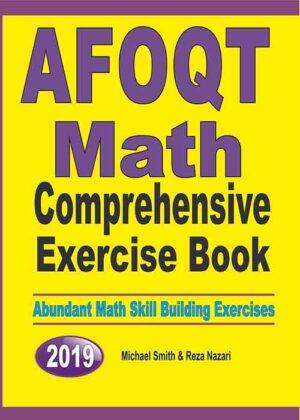 AFOQT Math Comprehensive Exercise Book: Abundant Math Skill Building Exercises Original price was: $18.99.$12.99Current price is: $12.99.Download
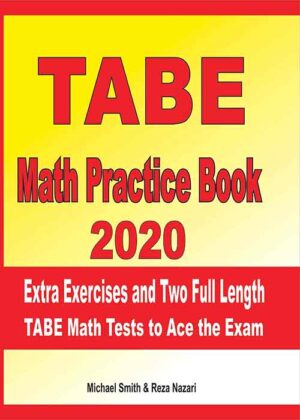 TABE Math Practice Book 2020: Extra Exercises and Two Full Length TABE Math Tests to Ace the Exam Original price was: $18.99.$12.99Current price is: $12.99.Download
 TASC Math Prep: The Ultimate Step by Step Guide Plus Two Full-Length TASC Practice Tests Original price was: $18.99.$12.99Current price is: $12.99.Download
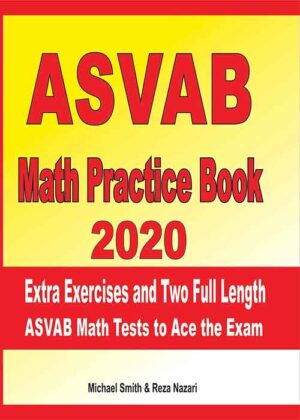 ASVAB Math Practice Book 2020: Extra Exercises and Two Full Length ASVAB Math Tests to Ace the Exam Original price was: $18.99.$12.99Current price is: $12.99.Download
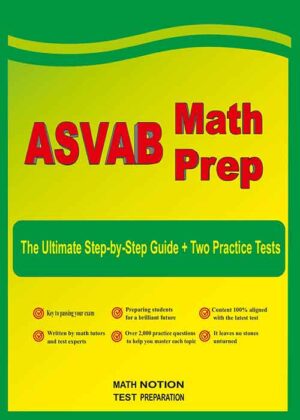 ASVAB Math Prep: The Ultimate Step by Step Guide Plus Two Full-Length ASVAB Practice Tests Original price was: $18.99.$12.99Current price is: $12.99.Download
 AFOQT Math Prep: The Ultimate Step-by-Step Guide Plus Two Full-Length AFOQT Practice Tests Original price was: $18.99.$12.99Current price is: $12.99.Download
 7 MCAs Math Prep Tips for Minnesota Students
 STAAR Math Test Prep for Grades 6-8: A Parent’s Guide (2026)
 7 Proven Accuplacer Math Prep Strategies
 A Smart Math Homework Help Strategy That Builds Real Skills
 How to Help Your Child With Math Homework (Even If You Are Not a Math Person)
How to Learn Math Faster: 8 Proven Tips That Work

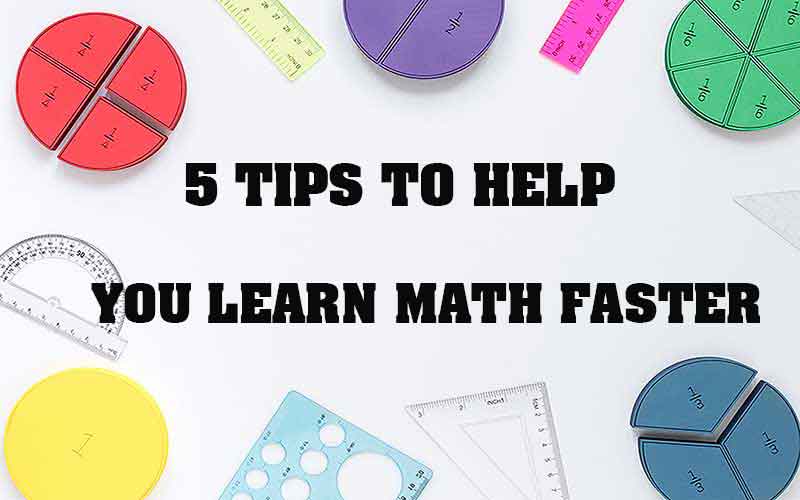
Everyone wishes they could learn math faster, whether it’s a student racing to keep up with class, an adult brushing up for a test, or a parent helping a child who’s fallen behind. The good news is that learning math more quickly isn’t about being a genius; it’s about using the right methods. Math rewards specific, proven techniques, and once you adopt them, you’ll absorb concepts faster, retain them longer, and feel far more confident. This guide shares the most effective strategies for learning math efficiently, so your study time produces real, lasting results.
The core idea is simple: how you study matters more than how long you study. Below we’ll walk through the habits and techniques that genuinely speed up math learning, from practicing actively to mastering fundamentals to using the right resources, plus the kind of focused math practice that turns slow, frustrating study into fast, satisfying progress.
Tip 1: Practice actively, not passively
The single biggest way to learn math faster is to practice actively rather than passively. Reading a textbook, watching a video, or reviewing worked examples feels productive, but it’s passive, and passive study creates only a shallow, fragile understanding. Real learning, and real speed, comes from working problems yourself, where you discover what you actually know and where you get stuck.
So make solving problems the center of every study session. After reading an example, cover the solution and try a similar problem on your own. Struggling through it, even briefly, builds far stronger neural connections than watching someone else solve it. This single shift, from watching to doing, dramatically accelerates how fast math sticks.
Tip 2: Master the fundamentals first
Math is cumulative, with every topic built on earlier ones, so weak fundamentals slow everything down. A student shaky on fractions or basic algebra will struggle with every later topic that relies on them, constantly stopping to puzzle out the basics. Strengthening those foundations is one of the fastest ways to speed up overall learning.
It might feel like a detour to go back and solidify earlier skills, but it pays off immediately. When your fundamentals are automatic, fractions, percentages, integer operations, basic equations, you can focus your full attention on new material instead of wrestling with the basics underneath it. Solid foundations make all future learning faster.
Tip 3: Understand, don’t just memorize
Memorizing steps without understanding them is slow and fragile, because you have to memorize a separate procedure for every problem type, and you fall apart when a question looks unfamiliar. Understanding why a method works lets you apply it flexibly to many situations, which means you learn less by rote and accomplish more.
So when you learn a new concept, always ask why it works, not just how to do it. Why do you flip and multiply when dividing fractions? Why does the quadratic formula give the solutions? Grasping the reasoning compresses many separate facts into a few powerful ideas, which is exactly what makes learning faster and more durable.
Tip 4: Study consistently in short sessions
Cramming is one of the slowest ways to learn math, because the brain consolidates skills through repeated, spaced exposure, not single marathon sessions. Short, frequent practice, even fifteen or twenty minutes most days, builds skills far faster over time than occasional long sessions, and it prevents the forgetting that forces you to relearn material.
This technique, called spaced practice, is one of the most powerful findings in learning research. By returning to material regularly and revisiting older topics even after you’ve moved on, you lock in skills permanently. Consistent, bite-sized math practice genuinely learns more in less total time than cramming ever could.
Tip 5: Learn actively from your mistakes
How you handle mistakes determines how fast you improve. Every error is precise information about what you don’t yet understand, so the fastest learners study their mistakes carefully rather than just noting they got something wrong. Figure out where your reasoning went off, understand the correct method, and rework the problem.
Keeping a running list of your recurring mistakes is especially powerful, because patterns show you exactly what to fix. A student who keeps making sign errors knows to slow down with negatives; one who botches setups knows to practice reading problems carefully. Turning mistakes into targeted lessons accelerates learning dramatically.
Tip 6: Teach it to someone else
One of the fastest ways to deepen and confirm your understanding is to teach what you’ve learned to someone else, or even explain it aloud to yourself. If you can clearly walk through a concept and a problem step by step, you truly understand it. If you stumble, you’ve instantly found the gap to address.
This works because explaining forces you to organize your knowledge and exposes anything fuzzy. Study with a friend and take turns teaching, or narrate your problem-solving out loud. This active articulation cements understanding far faster than silent rereading, and it makes weak spots obvious so you can fix them quickly.
Tip 7: Minimize distractions and focus
Math requires concentration, and divided attention slows learning to a crawl. Studying with your phone buzzing, the TV on, or constant interruptions fractures the sustained focus that working through a problem demands, so you absorb far less per minute. Protecting your attention is a simple way to speed up learning.
Choose a quiet spot, put your phone away, and work in focused blocks with short breaks in between. A concentrated twenty-minute session often accomplishes more than an hour of distracted study. Giving math your genuine, undivided attention, even for a short stretch, makes every minute count and noticeably speeds up progress.
Tip 8: Use the right practice resources
The materials you study with affect how fast you learn. Clear, well-organized resources that explain each concept simply and provide step-by-step solutions let you learn efficiently, while confusing or disorganized materials slow you down and breed frustration. The right resource works like a patient guide that keeps you moving forward.
Worksheets are excellent for active, targeted practice on specific skills, and a complete workbook ties concepts together with clear lessons. Choosing materials matched to your level and goals means every practice session is relevant and productive, which is exactly what makes learning faster.
Putting it all together
These techniques work best in combination. Practice actively on solid fundamentals, focus on understanding, study consistently in short sessions, learn from every mistake, and protect your attention, and you’ll be amazed how much faster math becomes. None of this requires special talent; it’s a method anyone can adopt starting today.
Be patient with yourself, too. Learning faster doesn’t mean learning instantly, and progress in math is often uneven, with concepts that suddenly click after steady effort. Trust the process: consistent, smart practice compounds, and over a few weeks these habits transform both how quickly you learn and how confident you feel.
Practice resources to speed your progress
The right practice makes all these techniques more effective. Math Notion’s free, grade-level math worksheets are perfect for the active, targeted practice that builds skills fast, and our complete workbooks tie concepts together with clear lessons and step-by-step answer explanations for efficient, independent study. They’re instant downloads, so you can start today. Browse the full Math Notion collection → to find the right resources for your level.
Use spaced repetition to remember longer
One technique deserves special mention because it dramatically improves retention: spaced repetition, the practice of revisiting material at increasing intervals rather than all at once. For math, this means returning to topics you studied earlier even after you’ve moved on, so they stay fresh instead of fading. A skill practiced once and never revisited often slips away, forcing you to relearn it later, which wastes time.
Build spacing into your routine by mixing older problems into your current practice. When you sit down to study, don’t only work the newest material; throw in a few problems from previous units too. This simple habit locks in skills permanently and means you spend far less time relearning, which is one of the biggest hidden time-savers in math.
Connect math to things you already know
You learn faster when you link new ideas to familiar ones, because your brain stores connected information more efficiently than isolated facts. Whenever you meet a new math concept, try to relate it to something you already understand or to a real-world situation. Seeing fractions as slices of a pizza, or percentages as discounts while shopping, makes abstract ideas concrete and memorable.
This habit of building bridges between new and known material does two things: it makes concepts easier to grasp the first time, and it makes them easier to recall later. The more connections a new idea has, the faster it sticks and the more flexibly you can use it. Actively looking for these links turns disconnected memorization into genuine, fast understanding.
Build confidence as you go
Confidence and learning speed reinforce each other. Students who believe they can improve at math persist through difficulty and keep learning, while those who think they’re “bad at math” give up the moment something gets hard, which stalls progress. Treating math as a learnable skill, not a fixed talent, is itself a way to learn faster.
You build that confidence through small, repeated successes, which is why starting practice at a level where you can succeed and then increasing difficulty gradually works so well. Each problem you solve is evidence that you can do this, and that growing belief fuels the persistence that fast learning requires. Combined with the techniques above, a confident, can-do mindset is one of the most powerful accelerators of all.
Start today and stay consistent
The best time to put these techniques into practice is right now, with your very next study session. Pick one or two to focus on first, perhaps switching from passive reading to active problem-solving, or committing to short daily sessions instead of cramming, and build from there. Small changes to how you study compound quickly, and within a few weeks you’ll notice math coming more easily and quickly than before. Speed in math isn’t a gift reserved for a few; it’s the natural result of practicing the right way, consistently, and anyone willing to do that can learn to learn math faster.
Frequently asked questions
What’s the fastest way to learn math?
Practice actively by working problems yourself, master the fundamentals, focus on understanding rather than memorizing, study consistently in short sessions, and learn from every mistake.
Why does practicing problems work better than reading?
Working problems yourself builds stronger understanding and reveals exactly what you don’t know, while reading or watching is passive and creates only shallow, fragile knowledge.
How long should I study math each day?
Short, frequent sessions, even fifteen to twenty minutes most days, beat occasional long cram sessions, because spaced practice helps skills stick and prevents forgetting.
Can anyone learn math faster?
Yes. Learning math quickly is about using the right techniques, not innate talent. Active practice, strong fundamentals, and consistency speed learning for anyone.
Math Notion makes standards-aligned math workbooks and test prep for learners at every level and across all 50 states. See the full collection.
Posted by Math Notion Team · Published on April 16, 2024