Math Articles, tips & study guides
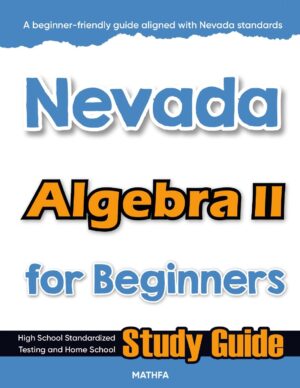 Nevada Algebra II for Beginners – Algebra 2 Test Prep & Study Guide Original price was: $22.99.$18.99Current price is: $18.99.Download
 6th Grade Nevada Math for Beginners Original price was: $21.99.$14.99Current price is: $14.99.Download
 FTCE Math Prep (General Knowledge Test): The Ultimate Step by Step Guide Plus Two Full-Length FTCE Practice Tests Original price was: $18.99.$12.99Current price is: $12.99.Download
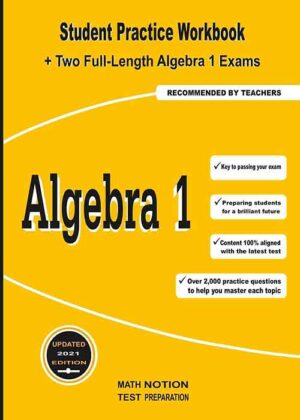 Algebra 1: Student Practice Workbook + Two Full-Length Algebra 1 Exams Original price was: $18.99.$12.99Current price is: $12.99.Download
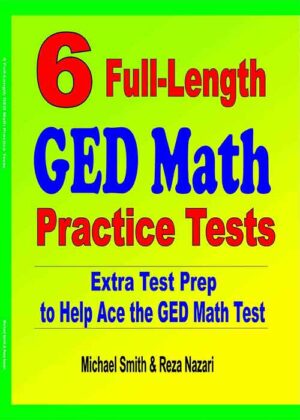 6 Full-Length GED Math Practice Tests: Extra Test Prep to Help Ace the GED Math Test Original price was: $18.99.$12.99Current price is: $12.99.Download
 6 Full-Length PSSA Grade 4 Math Practice Tests: Extra Test Prep to Help Ace the PSSA Grade 4 Math Test Original price was: $18.99.$12.99Current price is: $12.99.Download
 SSAT Upper Level Math Workbook: Exercises, Activities, and Two Full-Length SSAT Upper Level Math Practice Tests Original price was: $18.99.$12.99Current price is: $12.99.Download
 SDCA Math Prep: South Dakota Student Guide
 WVGSA Math Prep: West Virginia Student Guide
 7 MCAs Math Prep Tips for Minnesota Students
 STAAR Math Test Prep for Grades 6-8: A Parent’s Guide (2026)
 7 Proven Accuplacer Math Prep Strategies
How to Overcome Math Anxiety: A Complete Guide

If your heart races, your mind goes blank, or your stomach knots the moment a math problem appears, you’re experiencing something real and surprisingly common: math anxiety. It affects students and adults of every ability level, and here’s the crucial truth, it has very little to do with how smart you are or whether you’re “a math person.” Math anxiety is a learned fear response, which means it can be unlearned. This guide explains what math anxiety is, where it comes from, how to recognize it, and the practical, healthy strategies that genuinely help you overcome it.
The goal isn’t to pretend math is easy or that nerves will vanish overnight. It’s to give you a clear, compassionate plan to lower the fear and rebuild your confidence step by step. With understanding, the right techniques, and steady practice, you can absolutely learn to overcome math anxiety and approach numbers with calm instead of dread.
What math anxiety actually is
Math anxiety is a feeling of tension, apprehension, or fear that interferes with math performance. It’s not a lack of ability; researchers have found that capable students often underperform purely because anxiety hijacks their working memory, the mental space they need to actually solve problems. In other words, the fear itself, not a missing skill, is frequently what causes the mistakes.
This is empowering to understand, because it reframes the whole problem. If anxiety is the obstacle, then reducing anxiety, not just drilling more equations, becomes a key part of the solution. Many people who believe they’re simply “bad at math” are actually quite capable once the fear is addressed, which is exactly why learning to manage the anxiety can unlock progress that years of frustration never did.
Recognizing the symptoms
Math anxiety shows up in the body and the mind. Common math anxiety symptoms include a racing heart, sweaty palms, shallow breathing, or a sinking feeling in your stomach when facing a problem or test. Mentally, people describe their thoughts going blank, a sense of panic, or a loop of negative self-talk like “I can’t do this” that drowns out clear thinking.
There are behavioral signs too: avoiding math classes, putting off homework, or steering clear of careers and situations that involve numbers. Recognizing these patterns in yourself is the first step, because once you can name what’s happening, you can start to separate the feeling of fear from the actual math, and treat each one with the right tools.
Where math anxiety comes from
Math anxiety usually has roots rather than appearing from nowhere. For many people it traces back to a specific bad experience, a humiliating moment at the board, a harsh teacher, a timed test that went badly, that taught the brain to associate math with threat. Once that association forms, every future math situation can trigger the same alarm.
Cultural messages play a role too. The widespread idea that some people are simply “math people” and others aren’t gives anxious learners an easy, discouraging explanation for their struggles. Parents and even teachers can unintentionally pass along their own math fears. Understanding that your anxiety was learned, often from circumstances that had nothing to do with your real ability, helps loosen its grip.
The myth of the “math person”
One of the most damaging beliefs in education is that math ability is fixed, that you either have it or you don’t. Decades of research on how the brain learns tell a different story: math skill is built through practice, like any other skill, and the brain forms new connections as you work at it. There is no special “math gene” that some lucky people are born with.
Letting go of the “math person” myth matters enormously for anxiety, because that belief turns every struggle into supposed proof that you’re hopeless. When you instead see difficulty as a normal, temporary part of learning, a problem you haven’t solved yet rather than evidence you never will, the emotional stakes drop and learning becomes possible again. This growth mindset is one of the most powerful tools against math anxiety.
How preparation defeats anxiety
Here’s the most reliable antidote of all: thorough, steady preparation. Much math anxiety, especially around tests, comes from uncertainty, not knowing what’s coming or doubting you can handle it. When you’ve practiced the material until it’s familiar, that uncertainty shrinks, and so does the fear. Confidence isn’t something you talk yourself into; it’s something competence quietly produces.
This is why consistent practice is at the heart of beating math anxiety. Working through problems in a calm, low-pressure setting, with clear explanations to guide you, gradually teaches your brain that math is safe and solvable. Each problem you complete is evidence against the fear, and over time that evidence accumulates into genuine, durable confidence that holds up even under test conditions.
Practical techniques to calm the fear
Several simple techniques can lower anxiety in the moment. Slow, deep breathing, in for a count of four, out for four, calms the body’s stress response and frees up the working memory math requires. Pausing to relax your shoulders and unclench your jaw before starting a problem can interrupt the panic loop before it builds.
Another effective tool is reframing your self-talk. Instead of “I’m terrible at this,” try “this is hard right now, and I can work through it one step at a time.” Writing down your worries before a test, a technique studies have linked to better performance, can also clear mental space. These small habits, practiced regularly, steadily weaken anxiety’s hold.
Building confidence step by step
Confidence grows through gradual, successful exposure, so start where you can succeed. Rather than throwing yourself at the hardest material and confirming your fears, begin with problems just challenging enough to stretch you but easy enough to solve. Each small win retrains your brain to associate math with accomplishment instead of dread.
From there, increase difficulty slowly, celebrating progress along the way. Keep a record of what you’ve mastered so you can see how far you’ve come, especially on discouraging days. This ladder approach, steady, achievable steps, turns the overwhelming mountain of “I’m bad at math” into a series of manageable climbs, and confidence builds naturally with each one.
Managing test anxiety in math
Math tests deserve special attention, because that’s where anxiety often peaks. The best defense is preparation that includes practice under realistic conditions, so the real test feels familiar rather than threatening. Taking timed practice tests in advance turns the unknown into the known, which is precisely what calms test anxiety.
On test day, simple habits help: arrive prepared and rested, do a few slow breaths before you begin, and start with the questions you find easiest to build momentum and quiet your nerves. If your mind blanks, pause, breathe, and return to a problem you can do. Remember that one hard question doesn’t define the whole test, and momentum almost always returns.
The role of sleep, food, and self-care
Anxiety and your physical state are closely linked, so the basics matter more than people expect. A good night’s sleep sharpens the working memory and focus that math demands, while exhaustion amplifies both errors and fear. Eating well and staying hydrated, especially before a test, keeps your brain functioning at its best.
Regular physical activity is a proven stress reducer too, helping discharge the nervous energy that feeds anxiety. None of this replaces studying, but it creates the calm, well-resourced mental state in which studying actually sticks and anxiety has less room to grow. Treating your body well is a quietly powerful part of treating math anxiety.
When to seek extra support
For most people, the strategies above, preparation, reframing, gradual exposure, and self-care, make a real difference over time. But if math anxiety is severe, persistent, and significantly disrupting your studies, work, or wellbeing, it’s completely reasonable to seek extra help. A teacher, tutor, school counselor, or mental-health professional can offer personalized support.
There’s no shame in asking for help; it’s a sign of taking yourself seriously. Sometimes a few sessions with someone who understands both the math and the anxiety can break a cycle that felt stuck for years. The point is that you don’t have to white-knuckle through it alone, support is available, and reaching for it is a strong, healthy choice.
How the right practice resources help
Because preparation is so central to overcoming math anxiety, the resources you study with genuinely matter. Clear, well-organized materials that explain each concept in plain language and walk through solutions step by step turn practice into a calm, confidence-building experience rather than another source of confusion. The goal is to feel guided, not abandoned.
Math Notion’s workbooks are built with exactly this in mind, with approachable lessons and step-by-step answer explanations that let you practice at your own pace and actually understand what you’re doing. Steady practice with supportive materials is one of the most effective ways to replace fear with familiarity. Browse the full Math Notion collection → to find a book that fits your level.
You can rewrite your math story
Perhaps the most important thing to hold onto is this: math anxiety is not a permanent verdict. It’s a learned response, and what’s learned can be unlearned, gradually, with patience and the right approach. People who once froze at the sight of numbers have gone on to feel genuinely comfortable with math, and the difference was never raw talent, it was understanding the anxiety and addressing it directly.
Be patient and kind with yourself along the way. Progress may be uneven, and that’s normal. Every problem you work through, every calm breath before a test, every time you choose “not yet” over “never,” you’re rewriting your relationship with math. With time and steady effort, calm and confidence really can replace the dread, and that change is well within your reach.
Frequently asked questions
Is math anxiety a real condition?
Yes. Math anxiety is a well-documented fear response that can interfere with performance by occupying the working memory needed to solve problems. It’s distinct from ability and can be reduced with the right strategies.
Does math anxiety mean I’m bad at math?
No. Many capable people experience math anxiety, and the fear itself often causes the mistakes. Reducing the anxiety frequently reveals more ability than you expected.
What’s the fastest way to reduce math anxiety?
There’s no instant cure, but thorough preparation combined with calming techniques like deep breathing and reframing negative self-talk produces real, steady improvement.
Can adults overcome math anxiety?
Absolutely. Math anxiety is learned at any age and can be unlearned at any age through gradual, successful practice and supportive resources.
If math anxiety is severely affecting your wellbeing, consider reaching out to a counselor or mental-health professional for personalized support. Math Notion makes standards-aligned math workbooks and test prep for learners at every level. See the full collection.
Posted by Math Notion Team · Published on December 16, 2018