Math Articles, tips & study guides
 SSAT Middle Level Math Practice Book 2020: Extra Exercises and Two Full Length SSAT Middle Level Math Tests to Ace the Exam Original price was: $18.99.$12.99Current price is: $12.99.Download
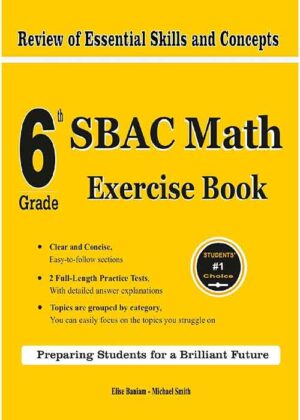 6th Grade SBAC Math Exercise Book: Review of Essential Skills and Concepts With 2 SBAC Math Practice Tests Original price was: $18.99.$12.99Current price is: $12.99.Download
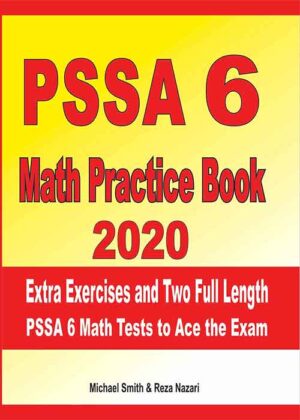 PSSA Grade 6 Math Practice Book 2020: Extra Exercises and Two Full Length PSSA Math Tests to Ace the Exam Original price was: $18.99.$12.99Current price is: $12.99.Download
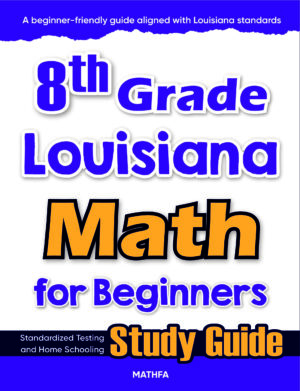 8th Grade Louisiana Math for Beginners Original price was: $21.99.$14.99Current price is: $14.99.Download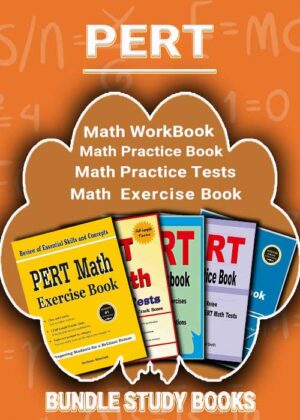
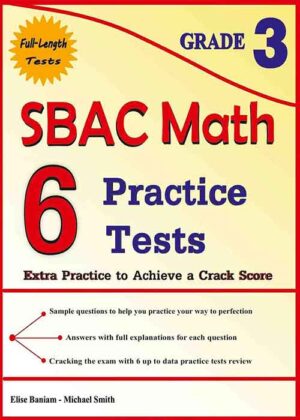 6 SBAC Math Practice Tests Grade 3: Extra Practice to Achieve a Crack Score Original price was: $18.99.$12.99Current price is: $12.99.Download
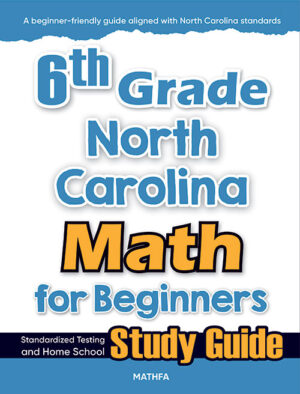 6th Grade North Carolina Math for Beginners Original price was: $21.99.$14.99Current price is: $14.99.Download
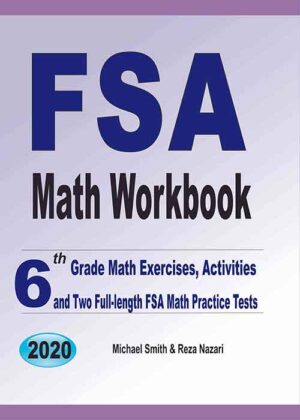 FSA Math Workbook: 6th Grade Math Exercises, Activities, and Two Full-Length FSA Math Practice Tests Original price was: $18.99.$12.99Current price is: $12.99.Download
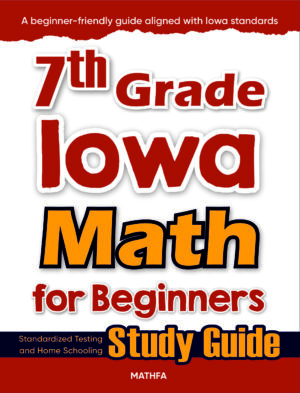 7th Grade Iowa Math for Beginners Original price was: $21.99.$14.99Current price is: $14.99.Download
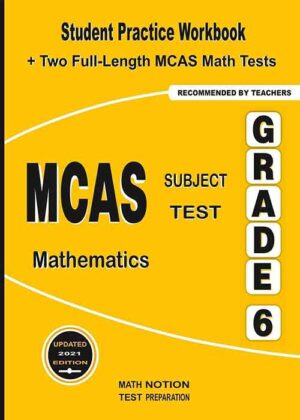 MCAS Subject Test Mathematics Grade 6: Student Practice Workbook + Two Full-Length MCAS Math Tests Original price was: $18.99.$12.99Current price is: $12.99.Download
 7 MCAs Math Prep Tips for Minnesota Students
 STAAR Math Test Prep for Grades 6-8: A Parent’s Guide (2026)
 7 Proven Accuplacer Math Prep Strategies
 A Smart Math Homework Help Strategy That Builds Real Skills
 How to Help Your Child With Math Homework (Even If You Are Not a Math Person)
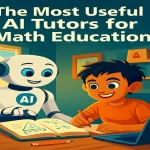
AI Math Tutor: How to Get the Best Math Help in 2026

Not long ago, getting math help meant booking a tutor by the hour or hoping a teacher had a free minute after class. Today, an AI math tutor can sit in your pocket, available at midnight before a test, ready to explain a problem as many times as you need without ever losing patience. The technology has matured fast, and in 2026 the best tools genuinely help students understand math rather than just handing over answers. But they’re not all equal, and used carelessly they can actually slow learning down. This guide explains how AI math tutoring works, which tools stand out, where it shines, where it falls short, and how to combine it with real practice for lasting results.
Whether you’re a parent looking for after-school support or a student trying to raise a grade, the smartest approach blends modern online math tutoring tools with structured, hands-on practice. Below we’ll walk through the current landscape, the strengths and risks of each kind of tool, and a practical plan for using a math help app the right way.
What an AI math tutor actually is
An AI math tutor is software that uses artificial intelligence to explain math concepts, walk through problems step by step, and adapt to a student’s level. The best ones don’t just spit out a final answer; they ask guiding questions, identify exactly where a student’s understanding breaks down, and adjust their explanations until the concept clicks. In effect, they try to mimic the back-and-forth of a patient one-on-one tutor.
What makes them genuinely new is personalization at scale. A good AI tutor can give millions of students individual attention simultaneously, something no human system could match, and it can do it instantly, any hour of the day. That combination of availability, patience, and personalization is why AI tutoring has moved from novelty to mainstream study tool in just a few years.
The standout AI math tools in 2026
A handful of tools lead the field. Khanmigo, Khan Academy’s AI tutor, is widely regarded as the best for younger students because it uses Socratic questioning, guiding learners to answers rather than revealing them, and ties directly into a full, curriculum-aligned math library with mastery tracking. It’s built to develop genuine understanding, which is exactly what you want for long-term growth.
For quick homework help, Photomath remains unmatched: point your phone’s camera at a problem and it scans, solves, and shows the steps using optical character recognition combined with AI. For advanced and university-level work, Wolfram Alpha is the long-standing gold standard for computation. Socratic by Google, and general assistants like ChatGPT and Claude, round out the options for explanation and walkthroughs across levels.
How AI tutoring compares to a human tutor
A human tutor still offers things AI can’t fully replicate: emotional encouragement, the ability to read a frustrated child’s body language, accountability, and deep judgment about how to motivate a particular learner. For students who need structure and a personal relationship, a great human tutor remains the gold standard, and that won’t change soon.
But AI wins decisively on cost and availability. A private tutor can run tens of dollars an hour, while many AI math tutor tools are free or a few dollars a month, and they never need scheduling. For most families, the realistic answer isn’t choosing one or the other, it’s using AI for everyday questions and practice, and reserving human help for the moments when a student is truly stuck or discouraged.
The Socratic difference: guidance versus answers
The single most important thing to understand about AI math help is the difference between tools that guide and tools that simply answer. A tool that hands over the final number teaches a student almost nothing; a tool that asks “what do you think the first step is?” and nudges them forward builds real skill. Khanmigo built its reputation on exactly this Socratic approach.
This matters because the easiest way to misuse AI is to treat it as an answer machine. A student who photographs every homework problem and copies the result may finish faster but learns nothing, and it shows on test day when no app is allowed. Choosing tools that explain the reasoning, and using them to understand rather than to shortcut, is what separates helpful AI tutoring from a crutch.
Where AI math tutors genuinely shine
AI tutoring is at its best for a few specific jobs. It’s superb for instant homework help when a student is stuck at home and no one’s available to explain. It’s excellent for unlimited practice and re-explanation, since it never tires of showing a concept a third or fourth way. And it’s great for confidence, because students often feel freer asking an app a “dumb question” than asking in front of a class.
It also excels at meeting students exactly where they are. Because good tools adapt to responses, a struggling student gets gentler, more foundational help while an advanced one gets pushed further, all without anyone feeling singled out. For filling gaps, reinforcing lessons, and providing on-demand explanation, a well-chosen math help app is genuinely powerful.
Where AI still falls short
For all their strengths, AI tutors have real limitations parents should know. General chatbots can occasionally produce a confident but wrong step, especially on tricky multi-step problems, so answers shouldn’t be trusted blindly. Tools that give answers too readily can foster dependence, undermining the very skills they’re meant to build.
AI also can’t supply the human accountability and motivation many students need, nor can it truly tell when a child is anxious rather than confused. And for hands-on skills, working neatly by hand, showing organized steps on paper for an exam, screen-based help is no substitute for actual practice. Knowing these limits lets you use AI for what it’s good at and shore up the rest elsewhere.
Why AI works best alongside structured practice
Here’s the key insight that ties it all together: AI tutoring explains, but mastery comes from doing. A student can understand a concept perfectly when an app walks them through it and still fumble it on a test, because recognizing a solution and producing one yourself are different skills. The bridge between the two is structured, hands-on practice.
That’s why the most effective setup pairs an AI tutor for explanation with a well-organized workbook for practice. Use the AI to understand a concept and clear up confusion, then work a set of problems by hand to cement the skill, checking your reasoning against step-by-step solutions. This blend of modern online math tutoring and deliberate practice produces understanding that actually holds up under exam conditions.
A smart routine: AI plus a workbook
A practical weekly routine might look like this. When your child hits a concept they don’t understand, let them use an AI tutor to get a clear, patient explanation, ideally a Socratic tool that makes them think rather than just reveals answers. Once the idea clicks, switch to a workbook and have them work a set of problems on paper, without the app, to build genuine fluency.
Then review mistakes together, using the workbook’s worked solutions to see exactly where reasoning slipped. This loop, understand with AI, practice by hand, review carefully, gives you the best of both worlds: the instant, patient explanation of modern technology and the durable skill that only comes from doing the math yourself. It’s also a habit that scales from elementary arithmetic to high-school algebra.
Choosing the right tool by age and goal
Match the tool to the learner. For younger children, a structured, curriculum-aligned tutor like Khanmigo, with its Socratic guidance and mastery badges, builds understanding without handing over answers. For a teen drowning in nightly homework, a camera-based helper like Photomath can clarify specific problems quickly, as long as it’s used to learn the steps, not skip them.
For advanced high-school or college math, computational tools like Wolfram Alpha and capable general assistants handle harder material and show detailed work. Whatever the age, prioritize tools that explain reasoning over those that just produce answers, and always pair them with practice so the learning sticks where it counts, on paper and on the test.
Keeping kids safe and focused online
When children use any math help app, a little parental oversight goes a long way. Favor reputable, education-focused tools with clear privacy practices, especially for younger kids, and check what data an app collects. Keep an eye on how the tool is being used, since the temptation to copy answers is real and easy to slip into.
It also helps to set simple ground rules: use the app to understand a problem, then close it and try a similar one alone. Framing AI as a tutor to learn from, not a vending machine for answers, keeps the technology in its proper, productive place. With that mindset, these tools become a genuine asset rather than a shortcut that quietly erodes skills.
The bottom line on AI math tutoring
AI has made high-quality math help more available, affordable, and patient than ever, and in 2026 the best tools genuinely build understanding. But technology alone doesn’t create mastery; practice does. The students who benefit most are the ones who use an AI tutor to understand concepts and then put in the reps with structured exercises until the skills are automatic.
Think of an AI math tutor as a brilliant, tireless explainer and a workbook as the gym where skills actually get built. Use them together, and you get the speed and patience of modern technology with the depth and durability of real practice, which is exactly the combination that turns a struggling math student into a confident one.
Build real mastery with structured practice
An AI tutor can explain a concept beautifully, but lasting skill comes from working problems yourself. Math Notion’s self-paced workbooks are built for exactly that, with clear lessons and step-by-step answer explanations across every grade, state standard, and major test, so you can turn an AI explanation into genuine mastery. Pair your favorite AI tutor with a focused workbook and practice until the math is automatic. Browse the full Math Notion collection → to find the right book for your student.
Frequently asked questions
What is the best AI math tutor in 2026?
It depends on your need: Khanmigo for structured, Socratic learning (great for kids), Photomath for quick camera-based homework help, and Wolfram Alpha for advanced computation. The best results come from pairing any of them with hands-on practice.
Can an AI math tutor replace a human tutor?
For everyday questions and practice, often yes, and far more cheaply. But human tutors still offer motivation, accountability, and emotional support AI can’t fully match, so many families use both.
Are AI math tutors accurate?
Specialized tools are usually reliable, but general chatbots can occasionally give a wrong step on complex problems. Always have students check the reasoning rather than trusting answers blindly.
How do I keep AI from becoming a crutch?
Use tools that explain reasoning rather than just give answers, then have the student practice similar problems by hand without the app. Understanding first, practice second.
Math Notion makes standards-aligned math workbooks and test prep for learners at every level and across all 50 states. See the full collection.
Posted by Math Notion Team · Published on August 16, 2018