Math Articles, tips & study guides
 6 Full-Length ASVAB Math Practice Tests: Extra Test Prep to Help Ace the ASVAB Math Test Original price was: $18.99.$12.99Current price is: $12.99.Download
 ASVAB Math Practice Book 2020: Extra Exercises and Two Full Length ASVAB Math Tests to Ace the Exam Original price was: $18.99.$12.99Current price is: $12.99.Download
 ASVAB Math Prep: The Ultimate Step by Step Guide Plus Two Full-Length ASVAB Practice Tests Original price was: $18.99.$12.99Current price is: $12.99.Download
 ASVAB Math Comprehensive Exercise Book: Abundant Math Skill Building Exercises Original price was: $18.99.$12.99Current price is: $12.99.Download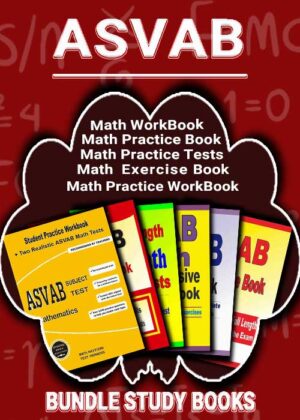
 ASVAB Math Workbook: Activities, Exercises, and Two Complete ASVAB Mathematics Practice Tests Original price was: $18.99.$12.99Current price is: $12.99.Download
 ASVAB Subject Test Mathematics: Student Practice Workbook + Two Realistic ASVAB Math Tests Paperback Original price was: $18.99.$12.99Current price is: $12.99.Download
 ASVAB Math Workbook: Essential Learning Math Skills Plus Two Complete ASVAB Math Practice Tests Original price was: $18.99.$12.99Current price is: $12.99.Download
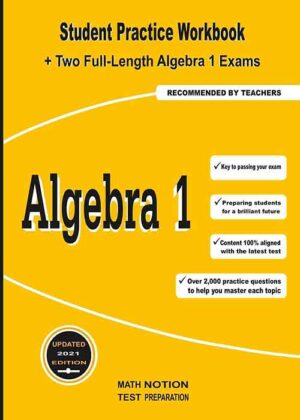 Algebra 1: Student Practice Workbook + Two Full-Length Algebra 1 Exams Original price was: $18.99.$12.99Current price is: $12.99.Download
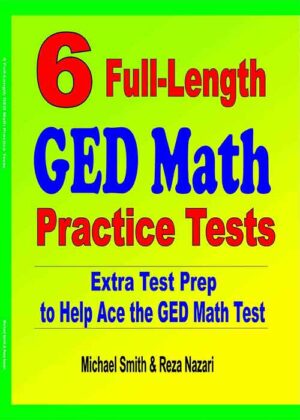 6 Full-Length GED Math Practice Tests: Extra Test Prep to Help Ace the GED Math Test Original price was: $18.99.$12.99Current price is: $12.99.Download
 How to Prepare for the ASVAB Math (Step by Step)
 7 ILEARN Polynomials Tips for Indiana Students
 RISE Measurement & Units Practice — Utah Guide
 Math Exams Explained: A Guide to the Major Standardized Tests
 Big News: The Math Notion Blog Is Here
ASVAB Score Explained: How Math Affects Your AFQT


If you’re enlisting in the military, your ASVAB scores shape both whether you qualify and which jobs you can pursue, and math plays a central role. Understanding the ASVAB score, how the test is scored, what the AFQT is, and how the math sections factor in, helps you set the right targets and prepare strategically. This guide explains the ASVAB scoring system in plain language, with a focus on how math affects your results and how to raise your scores.
The ASVAB produces several scores from its subtests, and the two math sections influence the most important one of all. Below we’ll break down how ASVAB scoring works, what the AFQT and line scores are, what’s competitive, and how targeted ASVAB math practice strengthens the ASVAB math performance that drives your eligibility and job options.
How ASVAB scoring works
The ASVAB consists of multiple subtests covering math, verbal, science, and technical areas. Your answers are combined in different ways to produce several scores, rather than a single overall number. The two most important uses of these scores are determining enlistment eligibility, through the AFQT, and qualifying you for specific military jobs, through line scores.
Understanding that the ASVAB produces several scores from one test is the first step to interpreting your results. The math subtests feed into both the AFQT and many line scores, which is why math performance has such a broad effect on your military opportunities, more than almost any other single area of the test.
The AFQT score
The most important ASVAB score is the AFQT, the Armed Forces Qualification Test score, which determines whether you’re eligible to enlist. The AFQT is calculated from just four subtests: Arithmetic Reasoning, Mathematics Knowledge, Word Knowledge, and Paragraph Comprehension. Two of those four are math, which makes math half of your enlistment score.
The AFQT is reported as a percentile from 1 to 99, showing how you performed relative to a reference population. Each branch of the military sets its own minimum AFQT score for enlistment, so reaching your branch’s minimum is the first goal, and a higher AFQT opens more opportunities and options.
Why math is half your AFQT
Because the AFQT comes from four subtests and two are math, Arithmetic Reasoning and Mathematics Knowledge, your math performance literally accounts for half of the score that decides your eligibility to enlist. This is the single most important reason to prepare your math: it has an outsized effect on the score that matters most.
A strong math performance can substantially raise your AFQT, while weak math can keep you below your branch’s minimum even if your verbal scores are strong. For most recruits, improving math is the most effective way to raise the AFQT, which makes math preparation a top priority for anyone serious about enlisting.
The two math subtests
The ASVAB includes two math subtests. Arithmetic Reasoning tests your ability to solve word problems involving rates, ratios, proportions, percentages, and practical quantitative reasoning. Mathematics Knowledge tests your knowledge of math concepts: algebra, equations, exponents, fractions, and basic geometry. Together they form the math portion of the test.
These two subtests not only feed the AFQT but also contribute to many line scores. Because they emphasize different skills, applied word-problem reasoning versus direct math knowledge, balanced practice across both is important. Strengthening both math subtests lifts your AFQT and broadens the range of military jobs you qualify for.
Line scores and job qualification
Beyond the AFQT, the ASVAB produces line scores (also called composite scores) that each branch uses to qualify recruits for specific jobs. These combine various subtests in different ways, and many line scores include the math subtests, so strong math helps qualify you for a wider range of military occupations.
This means math affects not just whether you can enlist but what you can do once you do. A recruit with strong math scores qualifies for more, and often more technical and desirable, jobs. If you have a specific career field in mind, check which line scores it requires, and you’ll likely find math among them.
What counts as a good ASVAB score
A good ASVAB score depends on your goals. At minimum, you need to meet your branch’s AFQT requirement to enlist, which varies by branch. But to qualify for the jobs you want, you’ll need strong line scores too, so aiming well above the minimum AFQT is wise, especially for competitive or technical roles.
The smart approach is to identify the AFQT minimum for your branch and the line scores your target job requires, then aim comfortably above both. Because math feeds both the AFQT and many line scores, strong math performance is often the key that unlocks the score range you need for your goals.
Why the math is improvable
Here’s encouraging news: the math subtests are among the most improvable parts of the ASVAB. Because Arithmetic Reasoning and Mathematics Knowledge test finite, learnable skills, arithmetic, algebra, and applied problem-solving, focused practice can raise these scores in a relatively predictable way, lifting both your AFQT and your line scores.
This means that if your math scores are lower than you’d like, targeted practice can lift them, and with them your overall ASVAB profile. For many recruits, strengthening math is the most efficient way to raise the AFQT into the range they need. Treating math as a genuine, improvable priority is a smart, high-return strategy.
How to raise your ASVAB math scores
Raising your math scores comes down to targeted, timed practice. Drill the specific skills the two subtests test, work plenty of practice problems, and review every mistake to understand the method. Because the ASVAB is timed and the math rewards both accuracy and speed, also practice working efficiently.
Focus early effort on shoring up arithmetic fundamentals and core algebra, the highest-value areas, then round out the rest. This focused, practice-heavy approach reliably lifts the math scores, because the ASVAB rewards familiarity with its question types and the efficient application of foundational math.
Practice with ASVAB math worksheets
Focused practice is the engine of score improvement. Math Notion offers free, printable ASVAB math worksheets covering the arithmetic reasoning and mathematics knowledge the test measures, so you can rehearse exactly the right content and build toward a stronger AFQT.
Browse the full library on our math worksheets page for more practice. Work each worksheet carefully, then review every problem, especially the misses, to understand why an answer was wrong. This targeted, repeatable practice on the exact content the ASVAB measures is one of the most efficient ways to lift your math scores.
Shore up the fundamentals first
Because the math subtests rest on foundational skills, the fastest gains often come from making sure your fundamentals are solid. Fluency with whole numbers, fractions, decimals, and percentages speeds up nearly every problem and prevents the careless errors that quietly lower scores under time pressure.
From there, layer in the algebra and applied word problems that make up so much of the math subtests. This foundation-first approach is the most efficient route to a higher AFQT, because strong basics make every harder problem more approachable and every minute of practice more productive.
Build speed for the timed test
Because the ASVAB is timed, speed matters alongside accuracy. The way to build speed is repetition: the more you practice a problem type, the more automatic it becomes. Drill mental math, fraction and percentage operations, and common algebra moves until they’re second nature, which directly improves your pace.
Practice timed sets so you learn to manage the clock without panic, and develop the discipline to keep moving rather than getting stuck. Building these habits in practice makes them automatic on test day, protecting your math scores and, with them, your AFQT and line scores.
Can you retake the ASVAB?
The ASVAB can be retaken after waiting periods, so a disappointing first score isn’t necessarily final. If your AFQT or line scores fall short of your goals, focused math practice followed by a retake can raise them. Use your first scores to target exactly the areas that held you back.
Many recruits raise their AFQT meaningfully on a retake after improving their math, since math is so improvable and counts for so much. This means a low first score can become a qualifying one with the right, targeted preparation, though it’s always best to prepare thoroughly and aim for your best result.
The workbook that strengthens your scores
For thorough preparation, a complete workbook ties your ASVAB math practice together. The ASVAB Subject Test Mathematics workbook covers exactly the arithmetic reasoning and mathematics knowledge the test measures, with clear lessons, practice, and step-by-step answer explanations you can follow on your own to lift your AFQT and line scores.
Paired with the free ASVAB worksheets for targeted drilling, a workbook gives you both complete instruction and focused practice on the math that drives your scores. It’s an instant download, so you can start building a stronger AFQT tonight. Browse all our ASVAB math resources → to find the right fit.
A study plan to raise your AFQT
To raise your math, and your AFQT, efficiently, build a focused plan. Start with a diagnostic across both math subtests to see where you stand, then spend the first week or two making arithmetic fundamentals and mental math automatic. Work problems by hand and time some practice to build the pace the test rewards.
Over the following weeks, work systematically through ratios, percentages, and word problems for Arithmetic Reasoning, and equations, exponents, and geometry for Mathematics Knowledge, reviewing every miss. Reserve time near the end for full, timed practice and a thorough review. Short, regular sessions beat cramming, and this targeted approach steadily lifts the math scores that drive your AFQT and line scores, opening more enlistment and career options. Because math counts for so much and improves so reliably, this is the single highest-return preparation you can do.
Frequently asked questions
What is the AFQT score?
The Armed Forces Qualification Test score determines enlistment eligibility. It’s calculated from four subtests, two of which are math, and reported as a percentile from 1 to 99.
How much does math affect my ASVAB score?
A lot. Two of the four AFQT subtests are math, so math accounts for half your enlistment score, and the math subtests also feed many line scores used for job qualification.
What is a good ASVAB score?
At minimum, meet your branch’s AFQT requirement; to qualify for the jobs you want, aim well above it, since strong scores, driven heavily by math, open more opportunities.
Can I improve my ASVAB math scores?
Yes. The math subtests test finite, learnable skills, so targeted, timed practice can raise them, and the ASVAB can be retaken. Free worksheets and a workbook both help.
Math Notion makes standards-aligned math workbooks and test prep for learners at every level and across all 50 states. See the full collection.
Posted by Math Notion Team · Published on August 19, 2024