Math Articles, tips & study guides
 LEAP Grade 8 Math Workbook: Review for the Louisiana Educational Assessment Program 2025 With 2 Full-Length LEAP Math Exams Original price was: $18.99.$12.99Current price is: $12.99.Download
 7th Grade Pennsylvania Math for Beginners Original price was: $21.99.$14.99Current price is: $14.99.Download
 GED Math Workbook: Mathematical Reasoning for General Educational Development Exam With 2 Full-Length Practice Tests Original price was: $18.99.$12.99Current price is: $12.99.Download
 PERT Math Workbook: Practice Questions for the Florida Postsecondary Education Readiness Test With 2 Full-Length PERT Math Exams Original price was: $18.99.$12.99Current price is: $12.99.Download
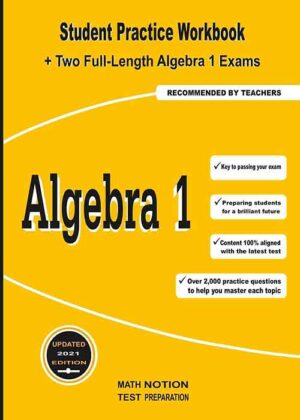 Algebra 1: Student Practice Workbook + Two Full-Length Algebra 1 Exams Original price was: $18.99.$12.99Current price is: $12.99.Download
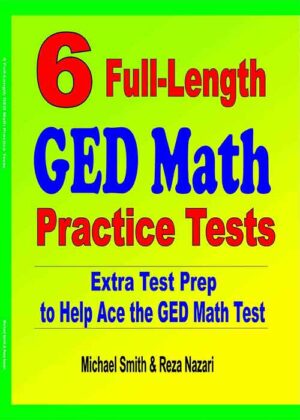 6 Full-Length GED Math Practice Tests: Extra Test Prep to Help Ace the GED Math Test Original price was: $18.99.$12.99Current price is: $12.99.Download
 Algebra 2 Workbook: Essential Learning Math Skills Plus Two Algebra 2 Practice Tests Original price was: $18.99.$12.99Current price is: $12.99.Download
 Algebra 2: Student Practice Workbook + Two Full-Length Algebra 2 Exams Original price was: $18.99.$12.99Current price is: $12.99.Download
 7 MCAs Math Prep Tips for Minnesota Students
 STAAR Math Test Prep for Grades 6-8: A Parent’s Guide (2026)
 7 Proven Accuplacer Math Prep Strategies
 A Smart Math Homework Help Strategy That Builds Real Skills
 How to Help Your Child With Math Homework (Even If You Are Not a Math Person)
Modern Math Education: Techniques Shaping How Math Is Taught

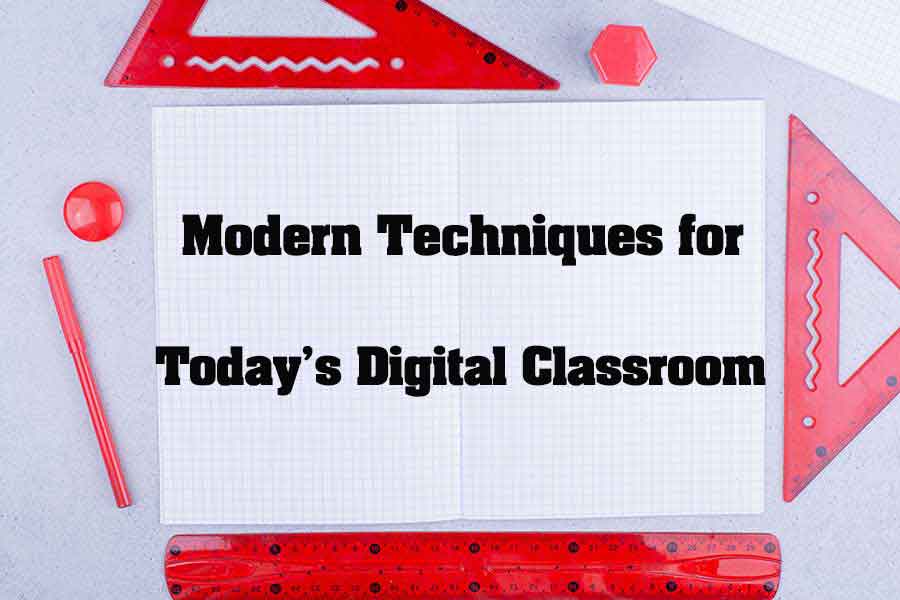
Math education has changed dramatically in recent years, and for parents and teachers, keeping up with modern approaches can feel like a challenge in itself. From technology and personalized learning to a renewed focus on conceptual understanding, today’s math education looks quite different from how many of us learned. This guide explores the modern techniques shaping how math is taught now, why they’ve emerged, and how families and educators can use the best of them to help children genuinely understand and enjoy math.
Understanding these approaches helps you support your child more effectively, whatever their classroom uses. Below we’ll walk through the key trends in modern math teaching, from conceptual learning to educational technology to data-informed instruction, and show how steady, well-chosen practice fits into the picture.
The shift toward conceptual understanding
Perhaps the biggest change in modern math education is the emphasis on conceptual understanding over rote memorization. Where older approaches often had students memorize procedures, today’s methods prioritize understanding why those procedures work, so students can apply their knowledge flexibly to new problems rather than only familiar ones.
This shift reflects research on how people learn math most durably. A student who understands the reasoning behind a method retains it longer and can adapt it, while one who only memorized steps falls apart when problems look different. The conceptual focus, though sometimes unfamiliar to parents, aims to build deeper, more lasting mathematical ability.
Multiple strategies and flexible thinking
Modern math instruction often teaches several strategies for the same problem, encouraging students to understand a concept from multiple angles and choose the approach that makes most sense to them. This builds flexible thinking and deeper understanding, even though it can puzzle parents used to a single standard method.
The goal is mathematical flexibility, the ability to reason about a problem rather than mechanically apply one procedure. Students who can think flexibly are better problem-solvers and better prepared for higher math. Understanding why classrooms teach multiple strategies helps parents support the approach rather than feeling confused by it.
Educational technology in math
Technology has transformed math education. Interactive software, online practice platforms, and educational apps now supplement classroom instruction, offering immediate feedback, adaptive difficulty, and engaging formats. Many tools adjust to a student’s level, providing personalized practice that meets them where they are.
Used well, these tools make practice more engaging and responsive than a static worksheet alone. They can identify where a student struggles and target practice accordingly. The key is choosing quality tools and using them purposefully, as part of a balanced approach rather than a replacement for understanding and human guidance.
The rise of AI math tutors
One of the newest developments is artificial intelligence in math education. AI tutors can explain concepts, walk students through problems step by step, and adapt to individual needs, offering on-demand, patient help that was once available only from a human tutor. These tools have become increasingly capable and widely used.
AI tutors are powerful for instant explanation and unlimited practice, but they work best alongside genuine practice and human support, not as a substitute. Used thoughtfully, to understand a concept, then practice it independently, they’re a valuable addition to modern math learning, giving students help whenever they need it.
Personalized and adaptive learning
Modern math education increasingly emphasizes personalization, meeting each student at their own level rather than teaching everyone identically. Adaptive technology, differentiated instruction, and individualized practice all aim to give students work that’s appropriately challenging, neither too easy nor too hard.
Personalized learning matters because students progress at different rates and have different strengths. A child who has mastered a concept needs new challenges, while one who is struggling needs targeted support. Modern approaches and tools make this individualization more feasible than ever, which can help every student grow from where they are.
Real-world and applied math
Today’s math education emphasizes connecting math to real-world situations, showing students how the skills apply to everyday life, careers, and problem-solving. Rather than abstract drills alone, modern instruction often frames math through meaningful contexts, data, finance, design, that make it relevant and engaging.
This applied focus helps students see the point of math, which boosts motivation and understanding. It also reflects how math is actually used in the modern world, where data literacy and quantitative reasoning matter increasingly. Connecting math to reality is a hallmark of effective modern teaching.
Emphasis on math discourse and reasoning
Modern classrooms often emphasize mathematical discourse, students explaining their reasoning, discussing different approaches, and justifying their answers. This reflects the understanding that being able to communicate mathematical thinking is itself a sign of deep comprehension, and that talking through math deepens learning.
For parents, this means today’s math often asks children to explain “why,” not just produce answers, and tests increasingly include questions requiring justification. Encouraging your child to talk through their reasoning at home reinforces this valuable modern emphasis and builds the communication skills the approach develops.
Data-informed instruction
Modern math education increasingly uses data to inform teaching. Assessments, progress monitoring, and analytics help teachers identify exactly where students need support and adjust instruction accordingly. This data-informed approach allows more targeted, responsive teaching than was possible in the past.
The same principle helps at home: using assessment results and practice performance to identify and target weak areas makes support more effective. Understanding that modern instruction is increasingly data-driven helps parents appreciate why teachers gather so much information, and how to use similar insights to guide practice at home.
Balancing new techniques with fundamentals
For all the new approaches, the fundamentals still matter enormously. Conceptual understanding and modern tools work best on a foundation of solid skills, fluency with operations, fractions, and basic algebra. The best modern math education balances innovative techniques with steady practice of core skills.
This balance is important to keep in mind, because no technique replaces the need to actually practice and master fundamentals. Modern methods build understanding and engagement, but durable skill still comes from doing math regularly. The most effective approach combines the best of the new with the proven value of consistent practice.
What this means for parents
For parents, the proliferation of modern techniques can feel overwhelming, but the practical takeaway is simple: support your child’s understanding, use quality tools thoughtfully, and ensure steady practice of fundamentals. You don’t need to master every new method; you need to encourage understanding and keep practice consistent.
It also helps to stay positive about whatever approach your child’s school uses, even if it differs from how you learned. Focusing on whether your child understands and can reach correct answers, rather than on the specific method, keeps you aligned with the school and supportive of your child’s learning.
Using technology wisely at home
If you use educational technology or AI tutors at home, use them purposefully. Let your child use them to understand concepts and get help when stuck, then have them practice independently to build genuine skill. Avoid letting tools become a crutch that provides answers without understanding.
Choose reputable, education-focused tools, especially for younger children, and stay involved in how they’re used. Technology is a powerful supplement to learning, but it works best as one part of a balanced approach that also includes human guidance, hands-on practice, and steady review.
The enduring value of practice
Amid all the modern techniques, one thing hasn’t changed: math is learned by doing. Whatever methods and tools a classroom uses, students still need to practice working problems to build and retain skills. Regular, targeted practice remains the bedrock of math learning, and it complements every modern approach.
Math Notion’s free, grade-level math worksheets provide exactly this kind of steady, targeted practice, supporting whatever modern techniques your child’s school uses. Organized by grade, they let you reinforce skills and target weak areas, the practice that turns understanding into lasting ability.
The workbook that supports modern learning
A complete, grade-level workbook complements modern math education by providing clear instruction and structured practice. Math Notion’s workbooks explain concepts with the understanding-first approach modern teaching values, with step-by-step solutions that build genuine comprehension alongside the practice that cements it.
Used with free worksheets and any quality digital tools, a workbook gives your child a balanced foundation, combining the best of modern approaches with the proven value of consistent practice. The workbooks are instant downloads, so you can support your child’s learning today. Browse the full Math Notion collection → to find the right level.
Avoiding the pitfalls of new approaches
Modern techniques bring real benefits, but they also have pitfalls worth watching for. Over-reliance on technology can let students get answers without building understanding, and an exclusive focus on concepts without enough practice can leave fluency underdeveloped. The healthiest approach treats new methods as tools in service of learning, not ends in themselves, and keeps an eye on whether a child is genuinely understanding and retaining the math.
The remedy for these pitfalls is balance and attention. Pair conceptual learning with plenty of hands-on practice, use technology to support rather than replace thinking, and regularly check that your child can actually solve problems independently. When you keep that balance, modern techniques deliver their benefits, deeper understanding and engagement, without the downsides, and your child gets the best of both the new and the time-tested.
Looking ahead in math education
Math education will keep evolving, with AI, adaptive technology, and new instructional ideas continuing to develop. But the core of what makes a strong math learner stays constant: genuine understanding, steady practice, and confidence built through effort. As you navigate whatever new tools and methods emerge, anchoring to these enduring principles keeps your child’s learning on solid ground.
For parents and teachers, the goal isn’t to chase every trend but to thoughtfully adopt what genuinely helps while holding onto what works. A child supported with clear understanding, consistent math teaching and practice, and encouragement will thrive regardless of how the tools change. That combination of the best modern approaches and timeless fundamentals is what truly serves a learner well.
Frequently asked questions
How is math taught differently today?
Modern math education emphasizes conceptual understanding over memorization, multiple strategies, technology and AI tools, personalized learning, real-world applications, and explaining reasoning.
Are modern math methods better?
They aim to build deeper, more flexible understanding, which research supports, but they work best balanced with steady practice of fundamentals. The most effective approach combines new techniques with proven practice.
Should my child use AI math tutors and apps?
Used purposefully, to understand concepts and get help, then practice independently, quality tools are a valuable supplement. Avoid letting them replace genuine understanding and practice.
How can I support modern math learning at home?
Encourage understanding and reasoning, use quality tools thoughtfully, keep a positive attitude about your school’s approach, and ensure steady practice of fundamentals with worksheets and a workbook.
Math Notion makes standards-aligned math workbooks and test prep for learners at every level and across all 50 states. See the full collection.
Posted by Math Notion Team · Published on August 1, 2024

Related Posts

What Is FAST Math? A Florida Parent Guide

2 thoughts on “Modern Math Education: Techniques Shaping How Math Is Taught”
Comments are closed.
Thank you for your feedback. I would be happy to continue contributing articles to our website in the future. Our team is committed to publishing fresh and up-to-date perspectives in this field.
I pay a quick visit day-to-day some sites
and sites to read content, except this weblog provides quality based
writing.