Math Articles, tips & study guides
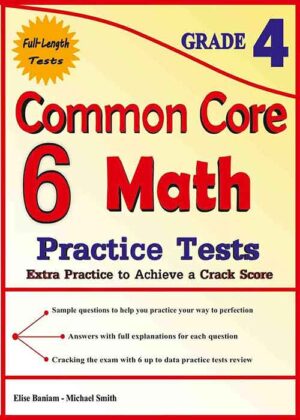 6 Common Core Math Practice Tests Grade 4: Extra Practice to Achieve a Crack Score Original price was: $18.99.$12.99Current price is: $12.99.Download
 Common Core Grade 5 Summer Math Workbook: Essential Summer Learning Math Skills plus Two Complete Common Core Math Practice Tests Original price was: $18.99.$12.99Current price is: $12.99.Download
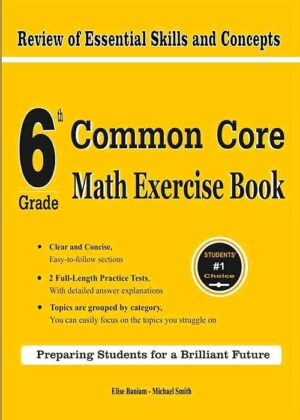 6th Grade Common Core Math Exercise Book: Review of Essential Skills and Concepts With 2 Common Core Math Practice Tests Original price was: $18.99.$12.99Current price is: $12.99.Download
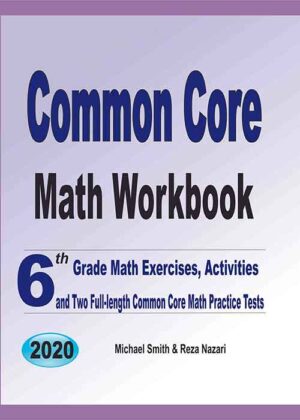 Common Core Math Workbook: 6th Grade Math Exercises, Activities, and Two Full-Length Common Core Math Practice Tests Original price was: $18.99.$12.99Current price is: $12.99.Download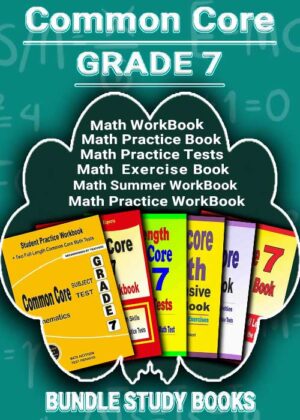
 Common Core 8 Math Practice Book 2020: Extra Exercises and Two Full Length Common Core Math Tests to Ace the Exam Original price was: $18.99.$12.99Current price is: $12.99.Download
 6 Full-Length Common Core Grade 7 Math Practice Tests: Extra Test Prep to Help Ace the Common Core Grade 7 Math Test Original price was: $18.99.$12.99Current price is: $12.99.Download
 Common Core Math Practice Grade 3: Complete Content Review Plus 2 Full-length Common Core Math Tests Original price was: $18.99.$12.99Current price is: $12.99.Download
 7th Grade Common Core Math Exercise Book: Review of Essential Skills and Concepts With 2 Common Core Math Practice Tests Original price was: $18.99.$12.99Current price is: $12.99.Download
 Common Core Math Practice Grade 7:Complete Content Review Plus 2 Full-length Common Core Math Tests Original price was: $18.99.$12.99Current price is: $12.99.Download
 What is the Common Core Math?
 How Common Core Math Works (and Why It Teaches That Way)
 Introduction to the Common Core State Standards (CCSS)
 How to Help Your Child With Common Core Math
 DAT Math Score: What Is a Good Quantitative Reasoning Score?
Common Core Math: Pros, Cons, and What the Debate Means for Your Child

Few topics in education spark as much debate as Common Core math. Some parents and educators praise it for building deeper understanding, while others criticize it as confusing or overcomplicated. If you’ve wondered what to make of it all, this guide lays out the Common Core math debate fairly, the strongest arguments supporters make, the genuine concerns critics raise, and, most importantly, what it all means practically for helping your child. Understanding both sides helps you cut through the controversy and focus on what actually supports your child’s learning.
Rather than taking a side, this guide aims to give you an honest, balanced overview so you can form your own view and act on it. Below we’ll explore the goals behind the Common Core standards, the case for and against them, and how, regardless of where you land in the debate, steady practice helps your child master the math their school and state tests require.
What Common Core math is
The Common Core State Standards are a set of learning goals, adopted in some form by most states, that define what students should know in math at each grade. They were designed to be focused and coherent, emphasizing deep understanding of key concepts over covering many topics superficially, and to better prepare students for college and careers.
Importantly, Common Core is a set of standards, not a curriculum or a specific teaching method. States and schools choose how to teach toward the standards, which is part of why experiences, and opinions, vary so widely. Understanding this distinction is the first step to a fair assessment of the debate.
The case supporters make
Supporters argue that Common Core math fixes real problems with older approaches. They point out that traditional methods often had students memorize procedures without understanding them, producing fragile knowledge that collapsed when problems looked unfamiliar. Common Core, they say, builds genuine understanding that transfers and lasts.
Advocates also value the emphasis on reasoning, multiple strategies, and explaining one’s thinking, skills they argue matter for higher math and real-world problem-solving. And they note that consistent standards across states make it easier for students who move and provide clear, research-based grade-level expectations. For supporters, the deeper conceptual focus is the whole point and the chief benefit.
The concerns critics raise
Critics raise concerns worth taking seriously. Many parents find the methods, number bonds, area models, multiple strategies, confusing and hard to help with, especially when they differ from how they learned. Some argue the approaches overcomplicate simple operations or move too slowly to the efficient standard algorithms.
Other criticisms are about implementation rather than the standards themselves: uneven teacher training, rushed rollouts, and confusing materials left some students and families frustrated. Some critics also object to standardized expectations on principle, preferring local control. These are genuine concerns, and acknowledging them is part of an honest look at the Common Core math debate.
Sorting standards from implementation
One key to understanding the debate is separating the standards themselves from how they’ve been implemented. Many frustrations parents experience, confusing worksheets, poorly explained methods, rushed pacing, stem from particular curricula or rollouts rather than the standards’ actual goals. The standards say what students should learn, not exactly how teachers must teach it.
This distinction matters because it means a bad experience with Common Core math may reflect a specific implementation, not the underlying ideas. A well-taught, well-resourced version of the same standards can feel very different. Keeping this in mind helps parents respond to problems constructively rather than rejecting the whole approach based on one frustrating encounter.
What both sides actually agree on
Beneath the controversy, there’s more common ground than the debate suggests. Nearly everyone agrees that children should both understand math conceptually and be able to compute fluently, the disagreement is often about emphasis and method, not the end goals. Both sides want students to be genuinely good at math and prepared for the future.
Recognizing this shared aim is reassuring for parents, because it means you can focus on what works for your child rather than the politics. Whether your child’s school leans heavily on conceptual methods or more traditional ones, the goal is the same: real, usable math ability, and steady practice builds that under any approach.
What it means for your child
For most families, the practical reality is simple: your child’s school teaches toward these standards, and your job is to help them succeed with the math they’re actually learning. The debate, however interesting, doesn’t change the day-to-day task of supporting your child through their homework and toward strong test performance.
That means the most useful response isn’t to take a side but to focus on your child’s understanding. If the methods confuse you, learn alongside them or use clear materials with step-by-step explanations. If your child grasps a concept, let them use the method that works for them. Pragmatism serves your child better than the controversy.
Helping with the methods, whatever you think of them
If your child’s school uses Common Core methods you find puzzling, you can still help effectively. Ask your child to show you how their teacher demonstrated a problem, which reinforces their understanding while clarifying it for you. Focus on whether your child reaches correct answers and understands their reasoning, rather than on which method they use.
Keeping a calm, curious attitude matters, since children absorb our frustrations. You don’t need to master every strategy; clear practice materials with worked solutions can bridge the gap, doing the teaching while you provide encouragement. The goal is your child’s understanding and confidence, which you can support regardless of your opinion on the standards.
The role of consistent practice
One thing that helps under any approach, conceptual or traditional, is steady practice. Math skills, whether built through area models or standard algorithms, consolidate through regular use. A short, consistent practice routine reinforces whatever your child is learning in class and prevents the gaps that cause frustration on either side of the debate.
This is reassuring because it puts something firmly in your control. You can’t single-handedly resolve the Common Core debate, but you can ensure your child practices regularly with clear, supportive materials. That steady reinforcement is what builds genuine ability, which is ultimately what every side of the debate wants for children.
Practice that works under any approach
Math Notion’s free, grade-level math worksheets support your child’s learning whatever methods their school uses, because they build the underlying grade-level skills the standards, and state tests, require. Organized by grade, they let you practice exactly what your child is working on.
Browse the library by grade to find the right practice. Used regularly, with attention to understanding, worksheets reinforce both conceptual grasp and computational fluency, the skills everyone agrees matter. They’re a practical, take-action tool that helps your child regardless of where you land in the broader debate.
Focusing on what you can control
The Common Core debate will likely continue, but your child’s math journey can’t wait for it to resolve. The most empowering stance is to focus on what you control: your child’s daily practice, their understanding, their confidence, and the encouragement and resources you provide. These factors influence your child’s success far more than the policy debate does.
By channeling your energy into supporting your child rather than into the controversy, you do the most good. Keep practice steady, keep your attitude positive, address confusion as it arises, and lean on clear materials. This practical focus serves your child well no matter how the larger debate unfolds.
A complete workbook to support learning
For systematic support, a complete, grade-level workbook ties skills to understanding with clear lessons and full coverage of grade-level standards. Math Notion’s workbooks build the number sense, reasoning, and computational skills your child needs, with step-by-step answer explanations that help you support them even when the methods are unfamiliar.
Used alongside free worksheets, a workbook gives your child both conceptual instruction and the practice that makes skills stick, under any teaching approach. The workbooks are instant downloads, so you can start supporting your child today. Browse the full Math Notion collection → to find the right grade.
How the debate has evolved
It’s worth noting that the Common Core conversation has shifted over the years. After the standards were first adopted, the loudest controversy was about the rollout, unfamiliar homework, rushed training, and political disagreements. Over time, many states revised or rebranded their standards while keeping much of the same substance, and teachers and curricula matured, so a lot of the early friction has eased even where the underlying expectations remain similar.
For today’s parents, this means the version of “Common Core math” your child experiences may be smoother and better-resourced than the one that sparked the fiercest debates. Rather than relitigate old controversies, it’s usually most productive to look at how math is actually being taught in your child’s classroom now and respond to that reality, supporting their understanding with steady practice and clear materials.
Trust your own observations
Finally, one of the best guides through the debate is simply paying attention to your own child. Are they understanding the math? Reaching correct answers? Growing in confidence? These observations tell you far more about whether things are working than any general argument about the standards. If your child is thriving, the approach is serving them; if they’re struggling, that’s your cue to add targeted support.
This child-centered focus cuts through the noise. Whatever your views on the broader policy, the daily question is whether your particular child is learning and feeling capable, and you can influence that directly with encouragement, a steady routine, and good practice resources. Trusting your observations and acting on them is the most useful response to the whole Common Core math debate.
Frequently asked questions
Is Common Core math good or bad?
Opinions differ. Supporters value its focus on understanding and reasoning; critics find some methods confusing or object to standardized expectations. Many frustrations stem from implementation rather than the standards themselves.
Why do the methods look so different?
Common Core emphasizes understanding why procedures work before the efficient standard algorithms, so it uses visual, conceptual methods first. Students do still learn the standard methods.
How can I help if I disagree with Common Core?
Focus on your child’s understanding rather than the debate. Help them reach correct answers, use clear materials with step-by-step explanations, and keep practice steady and your attitude calm.
What helps regardless of the approach?
Consistent practice. Math skills build through regular use under any method, so a steady routine with clear, grade-aligned materials supports your child no matter where you stand on the standards.
Math Notion makes standards-aligned math workbooks and test prep for learners at every level and across all 50 states. See the full collection.
Posted by Math Notion Team · Published on January 17, 2024