Math Articles, tips & study guides
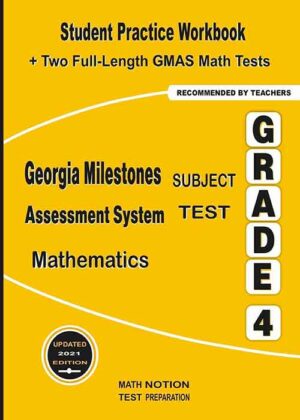 Georgia Milestones Assessment System Subject Test Mathematics Grade 4: Student Practice Workbook + Two Full-Length GMAS Math Tests Paperback Original price was: $18.99.$12.99Current price is: $12.99.Download
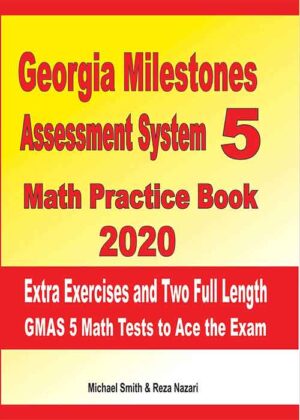 Georgia Milestones Assessment System 5 Math Practice Book 2020: Extra Exercises and Two Full Length GMAS Math Tests to Ace the Exam Original price was: $18.99.$12.99Current price is: $12.99.Download
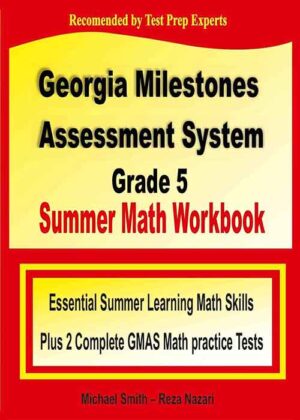 Georgia Milestones Assessment System Grade 5 Summer Math Workbook: Essential Summer Learning Math Skills plus Two Complete GMAS Math Practice Tests Original price was: $18.99.$12.99Current price is: $12.99.Download
 6 Full-length Georgia Milestones Assessment System Grade 6 Math Practice Tests: Extra Test Prep to Help Ace the GMAS Grade 6 Math Test Original price was: $18.99.$12.99Current price is: $12.99.Download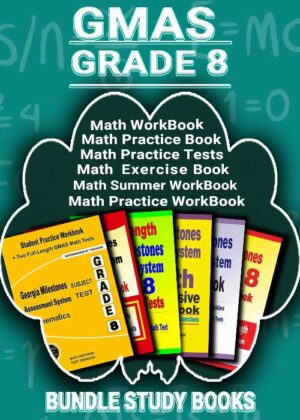
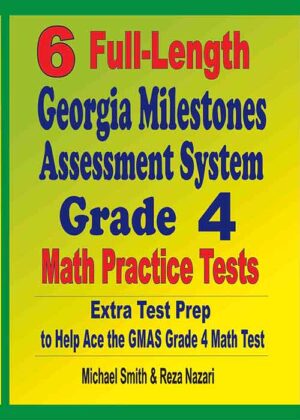 6 Full-Length Georgia Milestones Assessment System Grade 4 Math Practice Tests: Extra Test Prep to Help Ace the GMAS Grade 4 Math Test Original price was: $18.99.$12.99Current price is: $12.99.Download
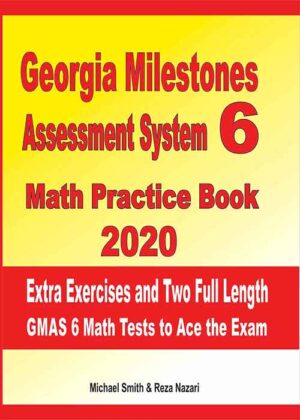 Georgia Milestones Assessment System 6 Math Practice Book 2020: Extra Exercises and Two Full Length GMAS Math Tests to Ace the Exam Original price was: $18.99.$12.99Current price is: $12.99.Download
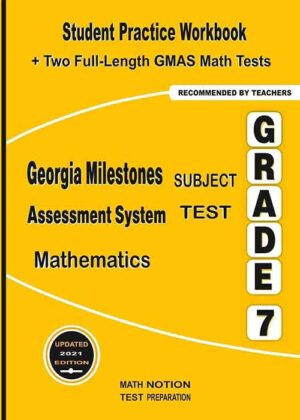 Georgia Milestones Assessment System Subject Test Mathematics Grade 7: Student Practice Workbook + Two Full-Length GMAS Math Tests Original price was: $18.99.$12.99Current price is: $12.99.Download
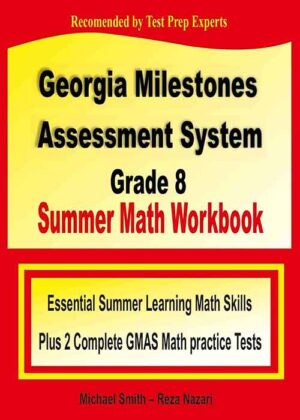 Georgia Milestones Assessment System Grade 8 Summer Math Workbook: Essential Summer Learning Math Skills plus Two Complete GMAS Math Practice Tests Original price was: $18.99.$12.99Current price is: $12.99.Download
 Georgia Milestones Assessment System Math Workbook: 5th Grade Math Exercises, Activities, and Two Full-Length GMAS Math Practice Tests Original price was: $18.99.$12.99Current price is: $12.99.Download
 How to Ace the GMAS Math Test: Top Strategies
 How to Prepare for the GMAS Math Test (Georgia)
 Georgia Milestones Math: What Is Tested by Grade
 NSCAS Sequences & Series Practice — Nebraska Guide
 KSA 4th Grade Prep: Kentucky Math Guide
GMAS Scores Explained: Understanding Your Child Results

When your child’s Georgia Milestones results arrive, the report can be confusing, full of scale scores, achievement levels, and category breakdowns that don’t obviously tell you how your child is doing or what to do next. Understanding GMAS scores, what the numbers and levels mean, how they’re determined, and how to act on them, turns that puzzling report into useful guidance. This guide explains the Georgia Milestones scoring system in plain language, focused on the math results, so you can read the report with confidence and support your child’s growth.
The Georgia Milestones Assessment System measures grade-level math against state standards, and its scores are designed to show whether your child is on track and where they need support. Below we’ll break down the scale scores, the four achievement levels, the reporting categories, and how to turn score insights into targeted GMAS math practice that lifts your child’s Georgia Milestones performance.
How GMAS scoring works
The Georgia Milestones reports a scale score for each subject, including math, rather than a simple percentage. This scale score is derived from your child’s performance on the test and falls within a defined range for their grade. The scale score is then mapped to one of four achievement levels, which is the part most parents focus on first.
Understanding that the score is scaled, not just a raw count of correct answers, helps you interpret it correctly. The scaling accounts for the difficulty of the specific test form, so scores are comparable across years and forms. What matters most for parents is which achievement level the scale score falls into, and what that level means.
The four achievement levels
GMAS results are reported in four achievement levels: Beginning Learner, Developing Learner, Proficient Learner, and Distinguished Learner. Beginning indicates a student has not yet met expectations and needs substantial support. Developing means they’re approaching but not yet meeting grade-level expectations.
Proficient Learner indicates a student has met grade-level expectations and is prepared for the next grade, this is the benchmark most families aim for. Distinguished Learner reflects above-grade mastery. Knowing these four levels and what each represents is the key to understanding where your child stands and what their result is really telling you.
What the Proficient benchmark means
The Proficient level is the goal because it signals your child is on track, having mastered the grade’s standards well enough to succeed in the next grade. Reaching Proficient or Distinguished means your child is well-prepared, while Developing or Beginning signals that some focused work would help close specific gaps.
It’s important to read these as a snapshot, not a permanent judgment. A child in the Developing level just below Proficient usually has a handful of specific, fixable gaps rather than a broad weakness, and targeted practice can move them up. Knowing the benchmark gives you a clear, concrete goal to work toward.
Understanding the reporting categories
Beyond the overall score and level, the GMAS report breaks math performance into reporting categories, showing how your child did in different areas such as number sense, algebra, geometry, and data analysis, depending on the grade. This breakdown is the most useful part of the report for guiding practice.
Instead of a single vague number, the categories give you a map of strengths and weaknesses. Maybe your child is strong in number sense but struggling with geometry; the report tells you exactly where to focus. This precision lets you target practice efficiently rather than reviewing everything, which is the fastest route to improvement.
How to read the report constructively
The healthiest way to read a GMAS report is as helpful feedback rather than a verdict on your child’s intelligence. Lead with what it tells you about next steps: which categories were strong, which need work, and what to practice. This framing keeps your child motivated and prevents a disappointing score from becoming discouraging.
It also helps to look at the report alongside everything else you know about your child, their classwork, their effort, their growth over time. A single test is one measure among many. Used as one useful data point rather than the whole picture, the GMAS report becomes a constructive tool for supporting your child’s learning.
Turning scores into a practice plan
The whole point of understanding the report is to act on it. Identify the one or two reporting categories where your child scored lowest, and make those the focus of practice for the next stretch. Targeted work on specific weak areas is far more efficient than generic review of everything equally.
Grade-level worksheets are ideal for this, because you can pull practice on exactly the category your child needs. Work a focused set, review every problem together, especially the misses, and revisit the area periodically. This results-driven loop turns a confusing score report into steady, visible improvement over time.
Practice with grade-level worksheets
Math Notion offers free, grade-level math worksheets you can match directly to the reporting categories on your child’s report: Grade 3, Grade 4, Grade 5, Grade 6, Grade 7, and Grade 8.
Browse the full library on our math worksheets page. Because the worksheets are organized by grade and aligned to Georgia’s standards, you can practice exactly the skills the report shows your child needs. Pairing the report’s insights with targeted worksheet practice is how you turn understanding into improvement.
Tracking growth year over year
Because the GMAS uses scale scores, you can compare your child’s results from one year to the next to see growth, not just their level in a single year. A rising scale score over time shows genuine progress, even if your child hasn’t yet reached Proficient, which is encouraging and worth watching.
Keeping last year’s report on hand when this year’s arrives makes this comparison easy and far more informative than viewing one year in isolation. The trend matters as much as the level: a child climbing steadily is on a good path. This longer view helps you respond to scores with perspective and a plan rather than alarm.
What to do if scores are low
If your child’s GMAS math scores come back in the Beginning or Developing range, don’t panic, treat it as useful, early information. Use the reporting categories to pinpoint exactly which areas need work, then build a steady, targeted practice routine focused on those specific skills, using grade-level worksheets and a workbook.
Lower scores almost always reflect specific, fixable gaps rather than an inability to do math. With consistent, focused practice and encouragement, children regularly move up an achievement level over time. The key is to respond with a calm, concrete plan and steady support, which is exactly what turns a low score into future growth.
Keep math positive
How you talk about scores shapes your child’s relationship with math. Frame the GMAS report as a tool for figuring out what to practice next, not a measure of how smart your child is, and pair any area of concern with a calm, doable plan. Children who feel supported rather than judged stay motivated to improve.
Celebrate progress and effort, especially growth from one year to the next, rather than fixating on a single number. A child who sees math as something they can improve at, with an encouraging parent, keeps working on weak areas without discouragement, and that steady effort is what produces rising scores over time.
Pair worksheets with a complete workbook
Worksheets are perfect for targeting specific reporting categories, but a complete, grade-level workbook ties everything together with clear lessons and full coverage of Georgia’s standards. For a sixth grader, the 6th Grade Georgia math workbook covers exactly the ratios, fractions, expressions, and geometry the GMAS measures, with step-by-step answer explanations a parent can follow.
Used together, free worksheets and a structured workbook give your child both targeted practice and complete instruction. The workbook is an instant download, so you can act on your child’s score report tonight. Browse the full Georgia math collection → to find your child’s grade.
Why scale scores matter more than they seem
Parents sometimes overlook the scale score in favor of the achievement level, but the scale score carries valuable information of its own. Two children might both land in the Developing level, yet one could be a few points from Proficient while the other has more ground to cover. The scale score tells you which situation you’re in, and therefore how much focused work is realistically needed.
This precision helps you set sensible goals and timelines. A child near the top of Developing might reach Proficient with a few weeks of targeted practice on one or two weak categories, while a larger gap calls for a longer, steadier plan. Reading both the level and the scale score together gives you the fullest, most actionable picture of where your child stands.
From score report to confident learner
Ultimately, the goal of understanding GMAS scores isn’t just to interpret a report, it’s to use it to help your child grow into a more confident, capable math student. When you translate the report’s categories into a focused, encouraging practice plan, your child experiences steady success in exactly the areas they needed, which builds both skill and confidence at once.
That upward cycle, targeted practice leading to visible improvement leading to greater confidence, is what turns a single year’s GMAS scores into lasting progress. Approach each report as a fresh opportunity to support your child, lean on grade-aligned worksheets and a workbook for the practice, and keep your encouragement steady, and the scores will tend to climb year over year as your child’s genuine understanding deepens.
In short, GMAS scores are far more useful once you know how to read them: the achievement level tells you where your child stands, the scale score shows how close they are to the next level and how they’re growing, and the reporting categories reveal exactly what to practice. Used together as a guide rather than a verdict, the report becomes a roadmap for steady, confident improvement.
Frequently asked questions
How are GMAS scores reported?
Each subject, including math, gets a scale score that maps to one of four achievement levels, plus a breakdown into reporting categories showing performance in different math areas.
What are the GMAS achievement levels?
Beginning Learner, Developing Learner, Proficient Learner, and Distinguished Learner. Proficient indicates on-grade-level performance and is the benchmark most families aim for.
What should I do if my child’s GMAS scores are low?
Use the reporting categories to find specific weak areas, then build a steady, targeted practice routine with grade-level worksheets and a workbook. Low scores usually reflect fixable gaps.
Can I track my child’s growth over years?
Yes. Because the GMAS uses scale scores, you can compare results year to year to see growth, and a rising score over time is a great sign of progress.
Math Notion makes standards-aligned math workbooks and test prep for learners at every level and across all 50 states. See the full collection.
Posted by Math Notion Team · Published on February 26, 2024