Math Articles, tips & study guides
 TSI Math Workbook: Exercises, Activities, and Two Full-Length TSI Math Practice Tests Original price was: $18.99.$12.99Current price is: $12.99.Download
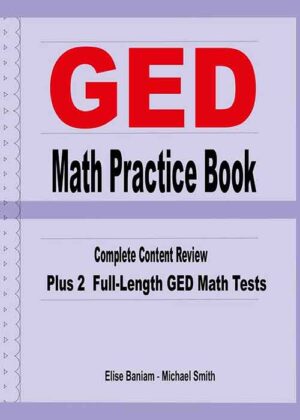 GED Math Practice Book: Complete Content Review Plus 2 Full-length GED Math Tests Original price was: $18.99.$12.99Current price is: $12.99.Download
 PSAT Math Workbook: Exercises, Activities, and Two Full-Length PSAT Math Practice Tests Original price was: $18.99.$12.99Current price is: $12.99.Download
 TABE Math Workbook: Activities, Exercises, and Two Complete TABE Mathematics Practice Tests Original price was: $18.99.$12.99Current price is: $12.99.Download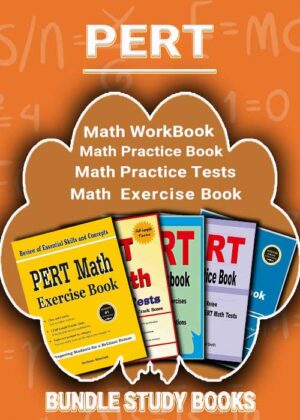
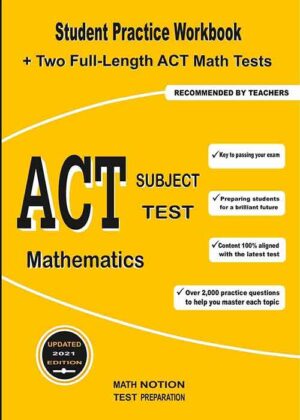 ACT Subject Test Mathematics: Student Practice Workbook + Two Full-Length ACT Math Tests Original price was: $18.99.$12.99Current price is: $12.99.Download
 HiSET Math Practice Book 2020: Extra Exercises and Two Full Length HiSET Math Tests to Ace the Exam Original price was: $18.99.$12.99Current price is: $12.99.Download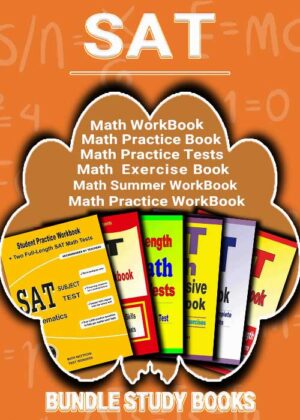

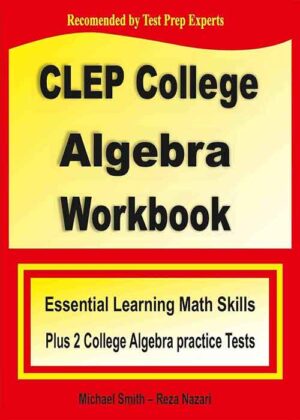 CLEP College Algebra Workbook: Essential Learning Math Skills Plus Two College Algebra Practice Tests Original price was: $18.99.$12.99Current price is: $12.99.Download
 SDCA Math Prep: South Dakota Student Guide
 WVGSA Math Prep: West Virginia Student Guide
 7 MCAs Math Prep Tips for Minnesota Students
 STAAR Math Test Prep for Grades 6-8: A Parent’s Guide (2026)
 7 Proven Accuplacer Math Prep Strategies
The Benefits of Online Learning for Math


Online learning has transformed how students study math, and for many learners it offers real advantages over traditional methods alone. From flexible pacing and instant feedback to a wealth of resources available anytime, online math learning can make practice more effective, accessible, and even enjoyable. But like any tool, it works best when used thoughtfully. This guide explores the genuine benefits of online learning for math, how to make the most of them, and how to combine online tools with the steady practice that builds real skill.
Whether you’re a parent supporting a child, a student studying independently, or an adult brushing up, understanding what online learning does well, and where it needs to be balanced with other approaches, helps you use it to genuinely improve. Below we’ll walk through the key benefits and how to put them to work, including how online resources and steady math practice reinforce each other.
Learn at your own pace
One of the biggest benefits of online math learning is the ability to go at your own pace. In a traditional classroom, the whole group moves together, which can leave some students behind and bore others. Online, a learner can slow down on difficult concepts, replay explanations, and move quickly through material they already understand, tailoring the pace to their needs.
This self-paced flexibility is especially valuable in math, where understanding each step matters and gaps compound. A student who can take the time they need on fractions before moving to ratios builds a stronger foundation than one rushed along by a class schedule. Learning at your own pace means no one is left behind and no one is held back.
Practice anytime, anywhere
Online learning makes math practice available whenever and wherever it suits the learner, before school, late at night, on weekends, at home or on the go. This accessibility removes the barriers of fixed schedules and locations, letting students fit practice into their lives rather than the other way around, which makes consistent practice far easier to sustain.
Because consistency is so important in math, this anytime access is a genuine advantage. A student can squeeze in fifteen minutes of practice whenever they have it, keeping skills sharp without needing a formal study session. The convenience of online practice helps turn math study into a regular, low-friction habit.
Get instant feedback
A powerful benefit of many online math tools is immediate feedback. Instead of waiting days for a worksheet to be graded, a student can find out right away whether they got a problem right and, with good tools, see where they went wrong. This instant feedback accelerates learning, because mistakes are caught and corrected while the concept is fresh.
Immediate feedback also keeps students engaged and prevents them from practicing errors repeatedly. When a learner knows at once that they’ve made a mistake, they can fix their understanding before it sets in. This rapid correction loop is something traditional homework can’t match, and it’s one of the most valuable features of online math learning.
Access to abundant resources
Online learning opens access to a vast array of math resources: video explanations, interactive lessons, practice problems, printable worksheets, and more, often free or low-cost. A student stuck on a concept can find multiple explanations of it, increasing the chance one approach clicks. This abundance means help is always available.
This wealth of resources also lets learners find materials that match their level and learning style. If one explanation doesn’t make sense, another might. The ability to draw on many high-quality resources, from video tutorials to downloadable worksheets, makes online learning a rich environment for mastering math at any level.
Personalized and adaptive learning
Many online math platforms adapt to the individual learner, adjusting difficulty based on performance and targeting practice to areas of weakness. This personalization meets each student where they are, providing appropriately challenging work rather than a one-size-fits-all approach. Adaptive tools can identify exactly what a student needs and focus practice there.
This individualization is hard to achieve in a traditional classroom but natural online, and it’s especially powerful in math, where targeted practice on specific gaps is so effective. A platform that recognizes a student struggles with, say, dividing fractions and gives them extra practice on it delivers exactly the focused support that drives improvement.
Engaging and interactive formats
Online math learning often comes in engaging, interactive formats, games, animations, and gamified practice, that can make math more enjoyable, especially for younger learners. When practice feels engaging rather than tedious, students do more of it, and more practice means more learning. Interactivity can turn a reluctant student into a willing one.
Of course, engagement should serve learning, not replace it, the best interactive tools build genuine skill while holding attention. But used well, the engaging formats online learning offers can boost motivation and practice volume, which is a real benefit, particularly for students who find traditional math practice dull or intimidating.
Affordability and accessibility
Online learning often makes quality math resources more affordable and accessible than private tutoring or expensive programs. Many excellent tools, worksheets, and lessons are free or inexpensive, putting strong math support within reach of more families. This democratizing effect is one of the most important benefits of online learning.
For families who can’t afford a private tutor, online resources can fill much of the gap, offering explanations, practice, and feedback at little or no cost. Combined with the accessibility of learning anytime and anywhere, this affordability means more students can get the math support they need, regardless of budget or location.
Building independence and self-direction
Online math learning fosters independence, since students take more responsibility for their own learning, deciding when to practice, what to focus on, and how to seek help. These self-direction skills are valuable in themselves, preparing students for college and careers where independent learning is essential.
While this independence is a benefit, it also requires some discipline, which is worth developing. A student who learns to manage their own online practice builds not just math skills but the self-management abilities that serve them throughout life. With a little structure and accountability, the independence online learning encourages becomes a genuine strength.
Balancing online learning with practice by hand
For all its benefits, online learning works best balanced with hands-on, by-hand practice, especially in math. Working problems with pencil and paper builds skills that screen-based interaction alone can’t, like organizing written work and the muscle memory of computation. The best approach combines online tools with traditional practice.
This is why printable worksheets remain valuable even in an online world: they let students practice writing out solutions by hand, which matters for tests and deep understanding. Math Notion’s free, printable math worksheets offer exactly this, complementing online learning with the by-hand practice that rounds out a student’s skills.
Avoiding the pitfalls of online learning
Online learning has pitfalls to watch for. Distractions are a constant risk when studying on a device connected to games and social media, so a focused environment matters. Over-reliance on tools that give answers without building understanding can create an illusion of learning. And purely passive video-watching, without practice, doesn’t build skill.
The remedies are straightforward: minimize distractions, use tools to understand and then practice independently, and always pair watching and reading with actually working problems. Used with these guardrails, online learning delivers its benefits without the downsides, supporting genuine skill-building rather than just the feeling of it.
Combining online and offline for the best results
The most effective math learning blends the best of online and offline. Use online resources for flexible, instant-feedback practice, video explanations, and adaptive support, and use traditional, by-hand practice and structured materials to build durable skills and exam readiness. Neither alone is as powerful as the two together.
A workbook is the perfect offline complement to online tools. Math Notion’s workbooks provide clear, structured instruction and by-hand practice with step-by-step solutions, pairing naturally with online resources and free worksheets. The combination gives learners flexibility and engagement plus the depth and discipline that build real mastery. Browse the full Math Notion collection → to find the right level.
Making online learning work for your child
If you’re a parent, you can help your child get the most from online math learning by choosing quality, reputable resources, creating a focused study environment, and staying involved in how the tools are used. Combining online practice with by-hand worksheets and a workbook gives your child a balanced, effective approach.
Keep an eye on whether your child is genuinely learning, able to solve problems independently, not just clicking through lessons. With good resources, a little structure, and a balance of online and offline practice, online learning becomes a powerful asset in your child’s math education, offering flexibility and support that traditional methods alone can’t.
Online learning for test prep and beyond
Online learning is especially powerful for test preparation, where targeted practice, instant feedback, and flexible scheduling all shine. A student preparing for a state assessment, a college placement test, or a college-entrance exam can drill exactly the content the test covers, get immediate feedback, and fit practice around a busy schedule, all advantages that make online tools a natural fit for focused test prep.
The same benefits apply across every level and goal, from a young child building number sense to an adult returning to math for a placement exam. Because online resources can be matched to any level and need, they meet learners wherever they are. Combined with by-hand practice and structured study, online math learning becomes a flexible, accessible engine for reaching whatever math goal a learner is working toward, which is exactly why it has become such a valuable part of modern education.
Used thoughtfully and balanced with hands-on practice, online learning gives math students flexibility, instant feedback, and abundant support, a genuinely powerful combination for building skill and confidence at any age or level.
Frequently asked questions
What are the benefits of online learning for math?
Self-paced learning, anytime-anywhere practice, instant feedback, abundant resources, personalized and adaptive support, engaging formats, affordability, and the development of independence.
Is online learning as good as traditional math instruction?
It has real advantages, but works best balanced with by-hand practice and structured materials. The most effective approach combines online tools with traditional, pencil-and-paper practice.
What are the downsides of online math learning?
Distractions on devices, over-reliance on tools that give answers without understanding, and passive watching without practice. These are avoidable with a focused environment and active practice.
How do I make online learning effective for my child?
Choose quality resources, create a focused environment, pair online practice with by-hand worksheets and a workbook, and ensure your child can solve problems independently, not just click through lessons.
Math Notion makes standards-aligned math workbooks and test prep for learners at every level and across all 50 states. See the full collection.
Posted by Math Notion Team · Published on March 27, 2025