Math Articles, tips & study guides
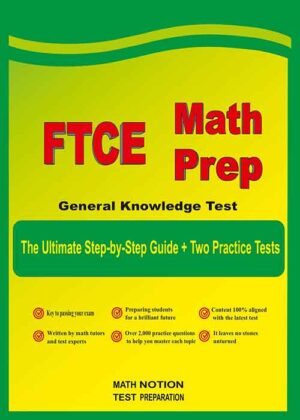 FTCE Math Prep (General Knowledge Test): The Ultimate Step by Step Guide Plus Two Full-Length FTCE Practice Tests Original price was: $18.99.$12.99Current price is: $12.99.Download
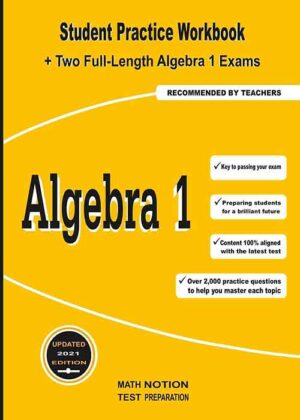 Algebra 1: Student Practice Workbook + Two Full-Length Algebra 1 Exams Original price was: $18.99.$12.99Current price is: $12.99.Download
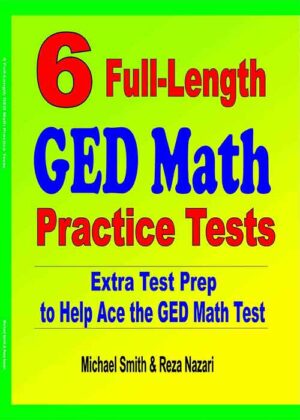 6 Full-Length GED Math Practice Tests: Extra Test Prep to Help Ace the GED Math Test Original price was: $18.99.$12.99Current price is: $12.99.Download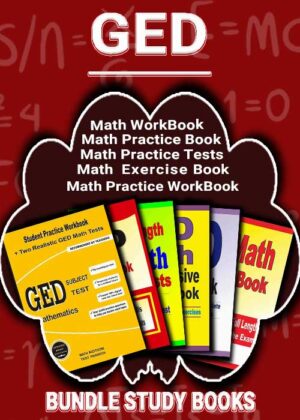
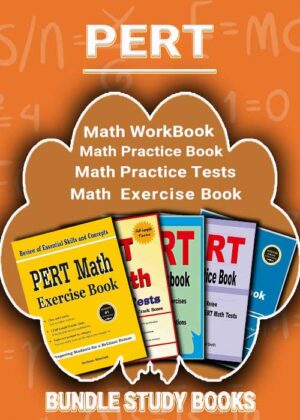
 Algebra 2: Student Practice Workbook + Two Full-Length Algebra 2 Exams Original price was: $18.99.$12.99Current price is: $12.99.Download
 Algebra 2 Workbook: Essential Learning Math Skills Plus Two Algebra 2 Practice Tests Original price was: $18.99.$12.99Current price is: $12.99.Download
 6 Full-Length PSSA Grade 4 Math Practice Tests: Extra Test Prep to Help Ace the PSSA Grade 4 Math Test Original price was: $18.99.$12.99Current price is: $12.99.Download
 GED Subject Test Mathematics: Student Practice Workbook + Two Realistic GED Math Tests Original price was: $18.99.$12.99Current price is: $12.99.Download
 6 GED Math Practice Tests: Extra Practice to Achieve a Crack Score Original price was: $18.99.$12.99Current price is: $12.99.Download
 SDCA Math Prep: South Dakota Student Guide
 WVGSA Math Prep: West Virginia Student Guide
 7 MCAs Math Prep Tips for Minnesota Students
 STAAR Math Test Prep for Grades 6-8: A Parent’s Guide (2026)
 7 Proven Accuplacer Math Prep Strategies
Why Teaching Math at Home Works (and How to Do It)

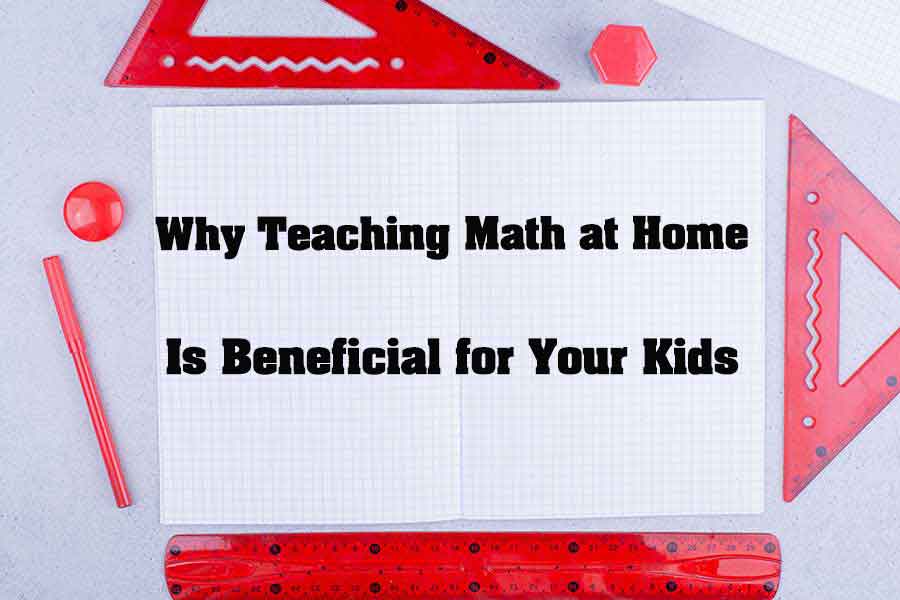
More families than ever are taking an active role in their children’s math education at home, whether through homeschooling, supplementing school, or simply supporting learning after hours. Teaching math at home offers real, research-backed benefits: individualized attention, flexibility, stronger foundations, and a chance to build a positive relationship with the subject. Understanding why teaching math at home works so well, and how to do it effectively, helps any parent give their child a genuine advantage. This guide explores the benefits and offers practical strategies for teaching math at home.
You don’t need to be a math expert to teach math at home effectively; you need the right approach and good resources. Below we’ll cover the benefits of home math instruction, how to do it well, and how steady math practice with clear materials supports your efforts.
Individualized attention
The biggest advantage of teaching math at home is one-on-one attention. In a classroom, a teacher divides their time among many students, but at home your child gets your full focus. You can explain concepts as many times as needed, in whatever way works for your child, and immediately address confusion, which is exactly the kind of personalized support that accelerates learning.
This individualization is especially powerful in math, where understanding each step matters and gaps compound. You can ensure your child truly grasps one concept before moving to the next, something a classroom on a fixed schedule can’t always do. That attentive, responsive teaching is one of the main reasons home math instruction is so effective.
Learning at the right pace
Teaching math at home lets you tailor the pace to your child. If they need more time on fractions, you can give it; if they’ve mastered a topic, you can move ahead. This flexibility prevents both the frustration of being rushed and the boredom of being held back, matching instruction to your child’s actual needs.
Because math builds cumulatively, this right-paced learning is crucial. A child who fully masters each foundation before advancing develops far stronger skills than one pushed along before they’re ready. The ability to set the pace, slowing down or speeding up as needed, is one of the clearest benefits of teaching math at home.
Building strong foundations
At home, you can ensure your child builds the solid foundations that all later math depends on. By taking the time to confirm true understanding of fundamentals, operations, fractions, place value, before moving on, you prevent the gaps that cause so much struggle later. This foundation-first approach is easier to maintain at home than in a fast-moving classroom.
Strong foundations pay off enormously as math grows more advanced. A child whose basics are rock-solid finds algebra and beyond far more approachable, while one with shaky fundamentals struggles repeatedly. Teaching at home gives you the control to build that strong base deliberately, which is one of the most valuable things you can do for your child’s math future.
Flexibility and convenience
Teaching math at home offers flexibility that fits your family’s life. You can schedule learning when your child is most alert, take breaks as needed, and adapt to your child’s rhythms rather than a rigid timetable. This flexibility makes learning more effective, since a child studying when fresh and focused learns far more than one forced into a fixed slot.
This convenience also makes consistent practice easier to sustain, and consistency is key in math. Short, regular sessions woven into your family’s routine keep skills sharp without the friction of fixed schedules. The freedom to teach math when and how it works best for your child is a practical, everyday benefit of home instruction.
A positive, low-pressure environment
Home can be a calmer, more supportive environment for learning math than a classroom, free of peer pressure, the fear of being called on, or the anxiety of timed tests in front of others. In this safer setting, children are often more willing to ask questions, make mistakes, and take the time they need, all of which support deeper learning.
This low-pressure atmosphere is especially valuable for children with math anxiety. At home, you can make mistakes feel safe and normal, keep the tone encouraging, and help your child build a positive relationship with math. That emotional foundation, hard to control in a classroom, is one of the quiet but powerful benefits of teaching math at home.
Strengthening the parent-child relationship
Teaching math at home can strengthen your bond with your child. Working through problems together, celebrating progress, and being there for the struggles builds connection and trust. Children often value the dedicated time and attention, and the shared experience of learning can become a positive part of your relationship rather than a source of conflict.
This shared learning also lets you model a positive attitude toward math and toward challenge in general. When your child sees you approach problems patiently and treat difficulty as normal, they absorb those attitudes. The relational dimension of teaching at home, done with warmth and encouragement, benefits both the math and the bond.
You don’t need to be a math expert
A common worry is that you need to be good at math to teach it at home, but that’s not true. With clear, well-structured materials that explain each concept and provide step-by-step solutions, you can guide your child even through topics you’ve forgotten or never mastered. The materials do much of the teaching; you provide encouragement, structure, and support.
You can also learn alongside your child, which models lifelong learning and often deepens your own understanding. Many parents find they understand math better after teaching it. The key is having good resources and a willing, patient attitude, not personal mathematical brilliance. Any committed parent can teach math at home effectively with the right tools.
How to teach math at home effectively
Effective home math teaching follows a few principles: prioritize understanding over memorization, use concrete examples and real-life math, practice consistently in short sessions, review mistakes constructively, and keep the tone encouraging. These reflect how children learn math best and turn home instruction into genuine progress.
It also helps to have a clear plan or curriculum so you cover the right material in a logical order. Working through a structured workbook ensures you don’t miss key topics or get the sequence wrong, which is especially reassuring if you’re unsure what to teach when. A good plan plus good habits makes home teaching both effective and manageable.
Use the right materials
The materials you use largely determine how well home math teaching goes. Clear, grade-appropriate resources with good explanations and ample practice let you teach confidently and your child learn effectively, while confusing or disorganized materials make everything harder. The right resources function like a curriculum and a tutor combined.
Math Notion’s grade-level and standards-aligned workbooks are designed for exactly this, with plain-language lessons, step-by-step solutions, and structured practice that guide both parent and child. Paired with free math worksheets for extra practice, they give you everything you need to teach math at home with confidence.
Connect math to everyday life
One advantage of teaching at home is the natural opportunity to connect math to real life. Cooking, shopping, building projects, managing money, and countless daily activities involve math, and weaving these in shows your child that math is useful and real. This real-world connection deepens understanding and motivation in a way classroom math sometimes can’t.
Home is the ideal place for this, since you’re together during so many math-rich moments. Inviting your child to calculate the change, double a recipe, or measure for a project turns everyday life into hands-on math learning. This practical application is both effective teaching and a genuine benefit of learning math at home.
Keep practice consistent
Consistency is as important at home as anywhere. Short, regular practice sessions build and maintain math skills far better than occasional long ones, because skills consolidate through spaced repetition. Establishing a steady routine, even fifteen or twenty minutes most days, keeps your child progressing and prevents the forgetting that erodes skills.
A predictable routine also makes home math teaching sustainable for you and low-stress for your child. When practice is a normal, expected part of the day rather than an occasional scramble, it builds skills steadily and keeps math from feeling like a burden. Consistency, more than long hours, is what produces lasting results at home.
The workbook that makes home teaching easy
For parents teaching math at home, a complete, grade-level workbook is the single most helpful resource. Math Notion’s workbooks provide a clear, structured path through your child’s math, with lessons that explain each concept and step-by-step solutions that let you teach confidently, even topics you’re unsure of, and let your child learn effectively.
Used alongside free worksheets and real-life math, a workbook gives you a ready-made curriculum and the support to deliver it well. The workbooks are instant downloads, so you can start teaching math at home today with everything you need in hand. Browse the full Math Notion collection → to find the right grade.
Overcoming common challenges
Teaching math at home has its challenges, and naming them helps you handle them. Some parents worry about their own gaps, which good materials and learning alongside your child address. Others struggle with the parent-child dynamic, where a child resists a parent as teacher; keeping sessions calm, structured, and encouraging, and stepping back when frustration rises, helps a great deal. And finding time can be hard, which short, consistent sessions solve.
None of these challenges is a reason to avoid teaching math at home; each has practical solutions. With clear resources, a steady routine, a patient attitude, and a willingness to seek outside help when a topic genuinely stumps you, the obstacles become manageable. Families who push through the early adjustment usually find that home math teaching becomes smoother and more rewarding over time, for both parent and child.
Frequently asked questions
Why is teaching math at home beneficial?
It offers individualized attention, the right pace, strong foundations, flexibility, a low-pressure environment, and a chance to build a positive relationship with math, advantages a classroom can’t always provide.
Do I need to be good at math to teach it at home?
No. With clear materials that explain concepts and show step-by-step solutions, you can guide your child even through topics you’ve forgotten, learning alongside them. The materials do much of the teaching.
How do I teach math at home effectively?
Prioritize understanding, use concrete and real-life examples, practice consistently in short sessions, review mistakes constructively, keep the tone encouraging, and follow a structured workbook for a clear plan.
What materials do I need to teach math at home?
A grade-level, standards-aligned workbook for structure and instruction, plus worksheets for extra practice. Clear materials with step-by-step solutions make home teaching effective and manageable.
Math Notion makes standards-aligned math workbooks and test prep for learners at every level and across all 50 states. See the full collection.
Posted by Math Notion Team · Published on February 11, 2025