Math Articles, tips & study guides
 ACT Math Practice Book 2020: Extra Exercises and Two Full Length ACT Math Tests to Ace the Exam Original price was: $18.99.$12.99Current price is: $12.99.Download
 ACT Aspire Math Workbook: 3rd Grade Math Exercises, Activities, and Two Full-Length ACT Aspire Math Practice Tests Original price was: $18.99.$12.99Current price is: $12.99.Download
 SBAC Math Practice Grade 6: Complete Content Review Plus 2 Full-length SBAC Math Tests Original price was: $18.99.$12.99Current price is: $12.99.Download
 FSA 5 Math Practice Book 2020: Extra Exercises and Two Full Length FSA Math Tests to Ace the Exam Original price was: $18.99.$12.99Current price is: $12.99.Download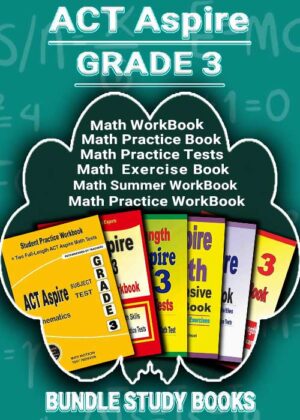
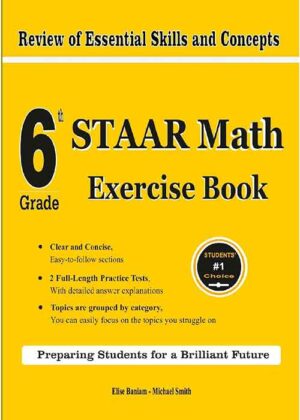 6th Grade STAAR Math Exercise Book: Review of Essential Skills and Concepts With 2 STAAR Math Practice Tests Original price was: $18.99.$12.99Current price is: $12.99.Download
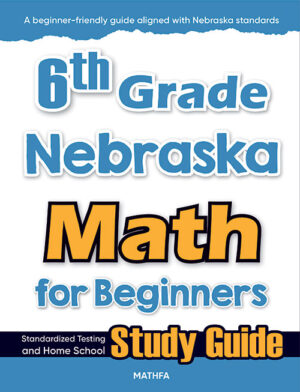 6th Grade Nebraska Math for Beginners Original price was: $21.99.$14.99Current price is: $14.99.Download
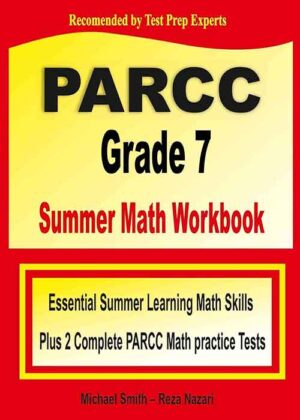 PARCC Grade 7 Summer Math Workbook: Essential Summer Learning Math Skills plus Two Complete PARCC Math Practice Tests Original price was: $18.99.$12.99Current price is: $12.99.Download
 7 MCAs Math Prep Tips for Minnesota Students
 STAAR Math Test Prep for Grades 6-8: A Parent’s Guide (2026)
 7 Proven Accuplacer Math Prep Strategies
 A Smart Math Homework Help Strategy That Builds Real Skills
 How to Help Your Child With Math Homework (Even If You Are Not a Math Person)
How to Stay Calm and Confident on Math Test Day

You can know the math cold and still see your score suffer if nerves take over on test day. Learning how to stay calm and confident during a math test is a real, learnable skill, and for many students it’s the difference between a score that reflects their ability and one that falls short. The good news is that test day calm isn’t about willpower or personality; it comes from preparation, proven techniques, and the right mindset. This guide shares practical strategies to quiet nerves, build confidence, and perform your best when it counts.
Whether you’re a student facing an exam or a parent helping a child, these approaches genuinely work, because they address both the preparation that builds confidence and the in-the-moment techniques that calm the body and mind. Below we’ll cover how to reduce math test anxiety before and during a test, so steady preparation can translate into the score you’ve earned.
Why calm and confidence matter
Test anxiety isn’t just uncomfortable; it actively hurts performance. When we’re anxious, stress occupies the working memory we need to solve problems, so capable students make mistakes or freeze on questions they actually know. This means managing nerves isn’t a soft extra, it’s a direct way to let your true ability show on the test.
Understanding this is itself reassuring: if anxiety is what’s pulling your score down, then calming techniques can genuinely lift it. You’re not stuck with whatever nerves you feel; there are concrete, proven ways to reduce them. Building calm and confidence is one of the most practical investments you can make in your test performance.
Preparation is the foundation of confidence
The single most powerful source of test-day calm is thorough preparation. When you’ve studied the material well, practiced the question types, and taken a practice test, the real exam holds far fewer surprises, and confidence grows naturally from genuine competence. You can’t fully talk yourself into confidence, but you can earn it through preparation.
This is why steady studying in the weeks before a test does double duty: it builds your skills and your calm at the same time. A student who walks in knowing they’ve prepared thoroughly has a solid, realistic basis for confidence, which is far steadier than hoping for the best. Preparation is the bedrock everything else builds on.
Practice under realistic conditions
One of the best ways to reduce test anxiety is to make the test feel familiar before you ever sit it. Taking full, timed practice tests under realistic conditions, quiet room, no help, same format, turns the unknown into the known. The more the real test resembles something you’ve already done, the less there is to fear.
This familiarity extends to the format and timing as well as the content. A student who has practiced pacing and seen the question types isn’t thrown by them on test day. Rehearsing the experience, not just the material, is one of the most effective anxiety-reducers there is, because so much test fear comes from uncertainty.
Use breathing to calm your body
When anxiety strikes, your body’s stress response kicks in, racing heart, shallow breathing, tension, and that physical state makes clear thinking harder. Slow, deep breathing reverses this: breathing in slowly for a count of four and out for four signals your body to calm down and frees up the mental space math requires.
Practicing this simple technique beforehand means you can use it effectively on test day, taking a few deep breaths before you begin and whenever you feel nerves rising. It’s a small, discreet tool that genuinely works, calming the physical symptoms of anxiety so your mind can focus on the problems in front of you.
Reframe your self-talk
The way you talk to yourself shapes how you feel. Thoughts like “I’m going to fail” or “I’m bad at this” amplify anxiety and become self-fulfilling. Replacing them with calmer, truer statements, “this is challenging, and I’ve prepared for it,” or “I’ll take it one question at a time”, reduces nerves and keeps you focused.
This isn’t empty positive thinking; it’s redirecting your mind from panic toward a constructive, manageable framing. Catching anxious self-talk and consciously reframing it is a skill that improves with practice. Over time, a calmer internal voice becomes more natural, and it makes a real difference in how you feel and perform under pressure.
Start with the easy questions
A simple but powerful test-day strategy is to begin with the questions you find easiest. Answering a few questions you’re sure of builds momentum and confidence, calms your nerves, and reminds you that you do know this material. It also banks points early, which relieves pressure for the rest of the test.
If you hit a hard question, it’s fine to skip it and come back, rather than letting it rattle you and eat up time. This approach keeps you moving and prevents one tough problem from derailing your whole test. Managing the order and pace of your work is a practical way to stay calm and in control.
Don’t let one hard question shake you
Every test has questions that feel hard, and how you respond to them matters. Anxious test-takers often treat a difficult question as proof they’re failing, which spirals into panic. Calm, confident test-takers simply mark it, move on, and return later, knowing one tough problem doesn’t define the whole test.
Remind yourself that you don’t need a perfect score; you need to do your best across the whole test. A single hard question is just one of many, and there are plenty of others you can answer well. Keeping this perspective prevents the cascade of anxiety that a single stumper can otherwise trigger.
Take care of your body before the test
Your physical state strongly affects your mental state, so the basics matter. A good night’s sleep before the test sharpens focus and memory, while exhaustion worsens both errors and anxiety. Eating a proper meal and staying hydrated keeps your brain functioning well, and arriving early avoids the stress of rushing.
None of this replaces studying, but it creates the calm, alert state in which your preparation can shine. Cramming late into the night usually does more harm than the extra review is worth. Treating your body well in the day and hours before a test is a simple, often-overlooked way to support both calm and performance.
Helping a child stay calm
If you’re a parent, your own calm and framing matter enormously. Present the test as a chance to show what your child has learned, not a high-stakes judgment, and avoid passing along your own test stress. Reassure your child that they’ve prepared and that doing their best is what counts.
Keep the morning of a test unhurried and positive, make sure your child is rested and fed, and send them off with encouragement rather than warnings. Children absorb our emotional cues, so a calm, confident parent helps create a calm, confident test-taker. Your steady support is one of the best anxiety-reducers a child can have.
Build confidence through steady practice
Lasting confidence comes from a track record of small successes, which is why steady practice is so valuable. Each problem a student solves, each practice test they complete, is evidence that they can do this, and that accumulated evidence is what genuine confidence rests on. Confidence built this way is steady because it’s grounded in real ability.
Free, grade-level math worksheets are a great way to build that track record of success, letting students practice and see their own progress. Regular, achievable practice steadily replaces anxiety with the quiet confidence that comes from knowing you’re prepared, which is exactly what carries a student calmly through test day.
The workbook that builds readiness and calm
Because thorough preparation is the foundation of test-day confidence, a complete workbook is one of the best anti-anxiety tools there is. Math Notion’s workbooks build genuine mastery with clear lessons, ample practice, and step-by-step answer explanations, so students arrive familiar with the material and the question types, and far calmer for it.
Paired with the free worksheets for extra practice, a workbook gives students the deep preparation that makes calm and confidence natural. The workbooks are instant downloads, so you can start building readiness today. Browse the full Math Notion collection → to find the right resource for your test.
Build a simple pre-test routine
Having a consistent routine for the days and hours before a test gives your nerves less room to take over. In the final days, taper your studying to light review rather than frantic cramming, and do a calming activity the evening before. On test morning, wake with enough time to eat, gather your materials without rushing, and arrive early so you’re settled before the test begins.
A short pre-test ritual, a few deep breaths, a quick positive reminder that you’ve prepared, a moment to settle into your seat, signals your brain that this is familiar and manageable. Practicing the same routine before practice tests makes it automatic by the real exam. This kind of structure replaces last-minute panic with a steady, predictable lead-up that supports calm and focus.
Turn anxiety into focused energy
It helps to know that a little nervous energy isn’t entirely bad, in moderate amounts, it can sharpen focus and motivation. The goal isn’t to feel nothing, but to keep nerves at a manageable level where they energize rather than overwhelm. Reframing those pre-test butterflies as a sign you care and are ready to perform, rather than as a threat, can actually channel them into concentration.
Combined with the techniques above, this reframing helps you work with your nerves instead of fighting them. A prepared student who breathes, starts with easy questions, and keeps perspective on hard ones can turn anxious energy into steady focus. Over time, as you accumulate successful, well-managed test experiences, both your math test anxiety and your fear of it shrink, and genuine test confidence becomes your default.
Frequently asked questions
How can I stay calm during a math test?
Prepare thoroughly, practice under realistic conditions, use slow deep breathing, reframe anxious self-talk, start with easy questions, and don’t let one hard problem shake you.
Why does test anxiety hurt my score?
Anxiety occupies the working memory you need to solve problems, so even when you know the material, nerves can cause mistakes or mental blanks. Managing anxiety lets your true ability show.
What’s the best way to build test confidence?
Thorough, steady preparation. Confidence grounded in genuine competence is far steadier than wishful thinking, and a track record of practice successes builds it naturally.
How can I help my anxious child on test day?
Keep your own calm, frame the test positively, ensure they’re rested and fed, and send them off with encouragement. Children absorb our emotional cues, so your steadiness helps.
This article offers general study and wellbeing tips. If test anxiety is severe and persistent, consider speaking with a school counselor or mental-health professional. Math Notion makes standards-aligned math workbooks for every level. See the full collection.
Posted by Math Notion Team · Published on October 7, 2024