Math Articles, tips & study guides
 Common Core 4 Math Comprehensive Exercise Book: Abundant Math Skill Building Exercises Original price was: $18.99.$12.99Current price is: $12.99.Download
 Common Core Grade 8 Math Workbook: Review for Common Core Math Practice Questions With 2 Full-Length Common Core Math Exams Original price was: $18.99.$12.99Current price is: $12.99.Download
 Common Core Mathematics Subject Test Grade 4: Student Practice Workbook + Two Full-Length Common Core Math Tests Original price was: $18.99.$12.99Current price is: $12.99.Download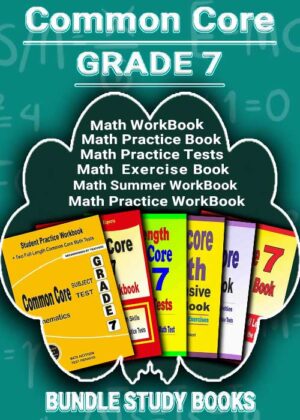
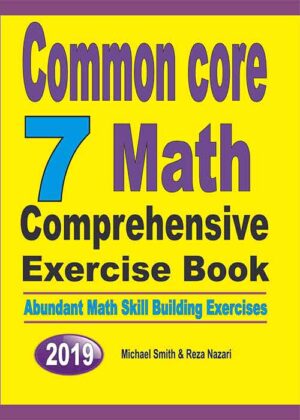 Common Core 7 Math Comprehensive Exercise Book: Abundant Math Skill Building Exercises Original price was: $18.99.$12.99Current price is: $12.99.Download
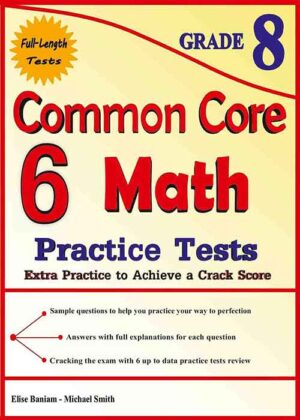 6 Common Core Math Practice Tests Grade 8: Extra Practice to Achieve a Crack Score Original price was: $18.99.$12.99Current price is: $12.99.Download
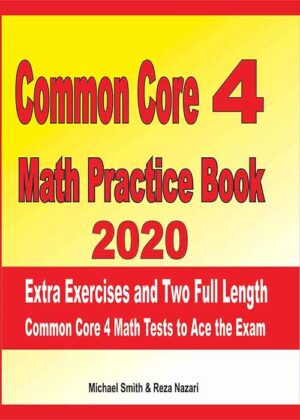 Common Core 4 Math Practice Book 2020: Extra Exercises and Two Full Length Common Core Math Tests to Ace the Exam Original price was: $18.99.$12.99Current price is: $12.99.Download
 Common core Subject Test Mathematics Grade 7: Student Practice Workbook + Two Full-Length Common core Math Tests Original price was: $18.99.$12.99Current price is: $12.99.Download
 What is the Common Core Math?
 Common Core Math: Pros, Cons, and What the Debate Means for Your Child
 Introduction to the Common Core State Standards (CCSS)
 How to Help Your Child With Common Core Math
 DAT Math Score: What Is a Good Quantitative Reasoning Score?
How Common Core Math Works (and Why It Teaches That Way)

If you’ve ever looked at your child’s math homework and wondered why a simple subtraction problem now involves drawing boxes or breaking numbers apart, you’ve run into Common Core math methods. Understanding how Common Core math works, and especially why it teaches the way it does, makes those unfamiliar strategies far less baffling and helps you support your child with confidence. This guide explains the thinking behind Common Core math, walks through the methods that puzzle parents most, and shows how they build the deep understanding the standards aim for.
The short version is that Common Core math prioritizes understanding over memorization, teaching children why procedures work before they speed them up. Below we’ll unpack the core methods, number bonds, area models, decomposing, and multiple strategies, explain the reasoning behind each, and show how steady Common Core math practice at home reinforces it.
The big idea behind Common Core math
The central goal of Common Core math is conceptual understanding. Where older approaches often had students memorize a procedure and apply it quickly, the standards ask children to first understand why the procedure works. The idea is that a child who understands the underlying math can solve unfamiliar problems and build toward higher math, rather than just executing steps they don’t grasp.
This is why so many of the methods look unusual: they’re designed to make the math visible. A child learns what’s actually happening when they regroup numbers or multiply, not just the shortcut. Once you know this is the purpose, the strange-looking strategies start to make sense, they’re scaffolding toward genuine understanding, not arbitrary complications.
Why the methods look so different
The methods feel foreign to many parents because they weren’t how we learned. Most of us memorized algorithms, stack the numbers, carry the one, without much explanation of why they work. Common Core flips the order: it builds understanding first with visual, conceptual methods, then moves to the efficient standard algorithms once the concept is solid.
So the unfamiliar steps aren’t replacing the math you know; they’re laying a foundation underneath it. The standard algorithms are still taught, just later, after children understand what they’re doing. Knowing this can ease a lot of frustration: your child will get to the familiar shortcuts, but with real comprehension behind them.
Number bonds and decomposing numbers
One common method is the number bond, which shows how a number breaks into parts, for example, 7 as 5 and 2. Related to this is decomposing, breaking numbers apart to make calculations easier. To add 8 plus 5, a child might decompose the 5 into 2 and 3, add the 2 to make 10, then add the remaining 3 to get 13.
This looks roundabout, but it builds powerful number sense, an intuitive feel for how numbers relate and combine. Children who understand decomposing can do mental math flexibly and understand place value deeply. These skills pay off enormously later, even though the early steps seem slower than just memorizing addition facts.
Area models for multiplication
For multiplication, Common Core often uses area models, drawing a rectangle and breaking it into parts. To multiply 23 by 14, a child splits each number by place value and finds the area of each piece, then adds them. This makes visible exactly why multi-digit multiplication works, rather than treating the standard algorithm as magic.
Once children understand the area model, they’re well prepared for the standard algorithm and, later, for multiplying algebraic expressions, which uses the very same logic. The area model isn’t busywork; it’s a bridge to higher math. Seeing why it’s there helps parents appreciate that the method has a real purpose.
Multiple strategies for one problem
Common Core often teaches several strategies for the same operation, which can frustrate parents who wonder why one good method isn’t enough. The reason is flexibility: exposing children to multiple approaches helps them understand the math more deeply and lets each child find the strategy that makes the most sense to them.
It also builds problem-solving adaptability, the ability to choose an efficient approach for a given problem rather than mechanically applying one procedure. If the variety overwhelms your child, it’s fine to anchor on the strategy that clicks best for them while knowing the others exist. The goal is understanding, not mastering every method equally.
Why it emphasizes word problems
Common Core math leans heavily on word problems and real-world contexts, because applying math to situations is where true understanding shows. It’s not enough to compute; children need to recognize what math a situation calls for and explain their reasoning. This is why tests now often ask students to justify their answers, not just produce them.
This focus prepares children for how math actually gets used in life and in higher coursework. It can be challenging, since reading and reasoning are involved, but practicing word problems builds exactly the applied thinking the standards value. Encouraging your child to explain how they solved a problem reinforces this beautifully.
How this builds toward higher math
Every one of these methods is designed with the long game in mind. Number sense, place-value understanding, the area model, flexible strategies, all of them lay groundwork for algebra, geometry, and beyond. A child who truly understands why operations work is far better prepared for the abstraction of higher math than one who only memorized procedures.
This is the payoff that makes the early, slower-looking methods worthwhile. The investment in understanding now compounds as the math grows harder. When you see your child wrestling with an unfamiliar strategy, it helps to remember it’s building the conceptual foundation that advanced math depends on.
How to help when the methods confuse you
You don’t need to master every Common Core method to support your child. If a particular strategy confuses you, you can learn it alongside them, ask them to teach you how their teacher showed it, which also reinforces their understanding, or focus on the standard method while respecting the one they’re learning.
What matters most is that your child understands the math and can reach correct answers. Keep a calm, curious attitude rather than dismissing the new methods, since children absorb our attitudes. Clear practice materials with step-by-step explanations can also bridge the gap, doing the teaching while you provide encouragement and support.
Practice that reinforces understanding
Steady practice cements the understanding these methods build. Math Notion’s free, grade-level math worksheets let your child practice the grade-appropriate skills the Common Core emphasizes, organized by grade so the practice always matches what they’re learning. Work a set, then review it together, asking your child to explain their thinking.
Browse the worksheets by grade to target exactly what your child is working on. Regular, short practice sessions reinforce both the methods and the concepts behind them, which is exactly what helps the understanding stick. Pairing this with everyday math talk at home makes the learning feel real and useful.
Common worries parents have
Parents often worry that Common Core math is needlessly complicated or that their child will never reach the “normal” way of doing math. In reality, children do learn the standard algorithms, just after building understanding first, and the methods that look complicated are temporary scaffolding toward deeper comprehension and, eventually, efficiency.
Another common worry is that the new methods will confuse a child who was doing fine the old way. If your child already understands a concept, it’s fine to let them use the method that works for them while being aware of the others. The goal is understanding and correct answers, and there’s room for flexibility in how each child gets there.
A complete workbook to support learning
Worksheets are great for targeted practice, but a complete, grade-level workbook ties the concepts together with clear lessons and full coverage of the standards. Math Notion’s grade-level workbooks build the number sense, reasoning, and skills the Common Core emphasizes, with step-by-step answer explanations that help you support your child even when the methods are unfamiliar to you.
Used together, free worksheets and a structured workbook give your child both targeted practice and complete instruction. The workbooks are instant downloads, so you can start tonight. Browse the full Math Notion collection → to find the right grade for your child.
Helping your child explain their thinking
Because Common Core math values reasoning, one of the most effective things you can do at home is ask your child to explain how they solved a problem. After they reach an answer, ask “how did you figure that out?” or “why does that work?” This simple habit deepens their understanding, reveals any fuzzy spots early, and mirrors exactly what their tests reward, since many now ask students to justify their reasoning.
You don’t need to know the fanciest method to do this; the act of explaining does the work. When a child puts their thinking into words, they organize and solidify it, and you both discover whether the understanding is solid. Over time, this back-and-forth builds the flexible, confident grasp of math that the Common Core methods are designed to produce, and it turns homework from a silent chore into a genuine learning conversation.
The payoff of understanding-first learning
It’s worth stepping back to appreciate why all of this matters. The Common Core’s understanding-first approach aims to produce students who don’t just compute but genuinely comprehend mathematics, which is exactly what higher math, science, and quantitative careers demand. A child who understands why methods work can adapt to new problems and build confidently toward algebra and beyond, rather than hitting a wall when memorized procedures run out.
So while the unfamiliar methods can be frustrating in the short term, they’re building something valuable: real, transferable mathematical thinking. Keeping that long view, and supporting your child with steady practice and a calm, encouraging attitude, helps them get the full benefit of the approach. The goal isn’t just a good grade this year; it’s a durable understanding that serves them for years to come.
Frequently asked questions
Why does Common Core math use unfamiliar methods?
The methods, like number bonds and area models, make the underlying math visible so children understand why procedures work before learning the faster standard algorithms.
Do children still learn the standard algorithms?
Yes. Common Core teaches the familiar standard methods too, just after building conceptual understanding first, so children grasp why the shortcuts work.
Why teach multiple strategies for one problem?
Exposure to several approaches deepens understanding, builds flexible problem-solving, and lets each child find the method that makes the most sense to them.
How can I help if the methods confuse me?
Learn alongside your child, ask them to explain their method, focus on understanding and correct answers, and use clear practice materials with step-by-step explanations.
Math Notion makes standards-aligned math workbooks and test prep for learners at every level and across all 50 states. See the full collection.
Posted by Math Notion Team · Published on February 14, 2024