
Math Articles, tips & study guides
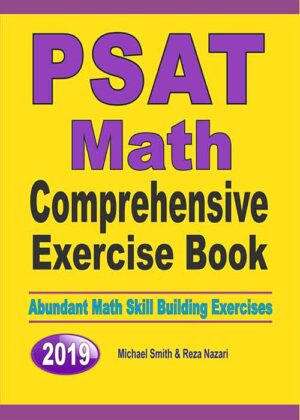 PSAT Math Comprehensive Exercise Book: Abundant Math Skill Building Exercises Original price was: $18.99.$12.99Current price is: $12.99.Download
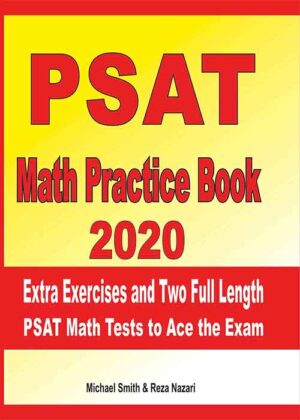 PSAT Math Practice Book 2020: Extra Exercises and Two Full Length PSAT Math Tests to Ace the Exam Original price was: $18.99.$12.99Current price is: $12.99.Download
 PSAT Subject Test Mathematics: Student Practice Workbook + Two Full-Length PSAT Math Tests Original price was: $18.99.$12.99Current price is: $12.99.Download
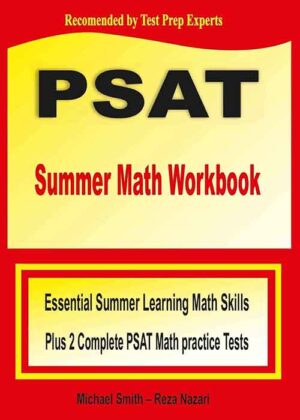 PSAT Summer Math Workbook: Essential Summer Learning Math Skills plus Two Complete PSAT Math Practice Tests Original price was: $18.99.$12.99Current price is: $12.99.Download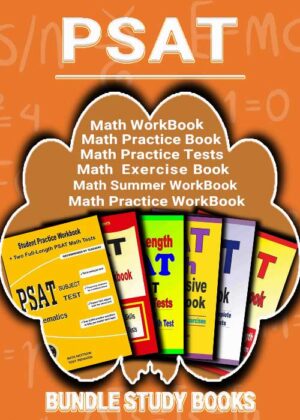
 PSAT Math Workbook: Exercises, Activities, and Two Full-Length PSAT Math Practice Tests Original price was: $18.99.$12.99Current price is: $12.99.Download
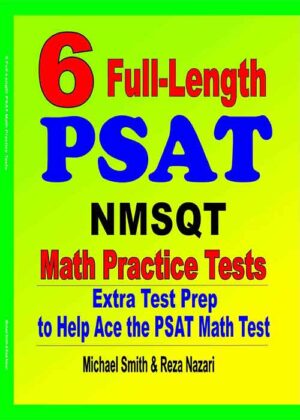 6 Full-Length PSAT / NMSQT Math Practice Tests: Extra Test Prep to Help Ace the PSAT Math Test Original price was: $18.99.$12.99Current price is: $12.99.Download
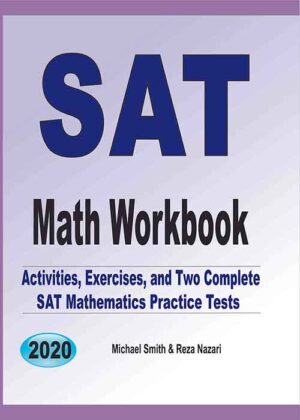 SAT Math Workbook: Exercises, Activities, and Two Full-Length SAT Math Practice Tests Original price was: $18.99.$12.99Current price is: $12.99.Download
 SAT Summer Math Workbook: Essential Summer Learning Math Skills plus Two Complete SAT Math Practice Tests Original price was: $18.99.$12.99Current price is: $12.99.Download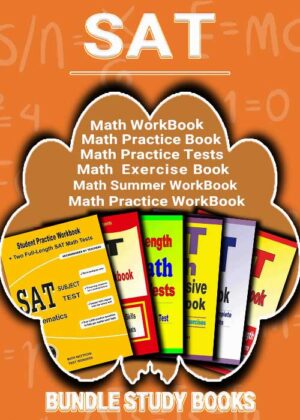
 7 MCAs Math Prep Tips for Minnesota Students
 STAAR Math Test Prep for Grades 6-8: A Parent’s Guide (2026)
 7 Proven Accuplacer Math Prep Strategies
 A Smart Math Homework Help Strategy That Builds Real Skills
 How to Help Your Child With Math Homework (Even If You Are Not a Math Person)
How to Prepare for the PSAT/NMSQT Math


The PSAT/NMSQT is more than just practice for the SAT, for many students, it’s a gateway to scholarship recognition. Knowing how to prepare for the PSAT, especially the math, can both boost your eventual SAT score and put you in the running for National Merit recognition. Solid PSAT math skills matter because math is a large share of the test. With a focused approach to PSAT prep, students can walk in confident and make the most of this important opportunity. This guide explains how.
What is the PSAT/NMSQT?
The PSAT/NMSQT, which stands for Preliminary SAT/National Merit Scholarship Qualifying Test, is typically taken by high school sophomores and juniors. It serves two purposes: it’s excellent practice for the SAT, mirroring its content and format, and for juniors, it’s the qualifying test for the National Merit Scholarship Program. The test covers reading, writing, and math, scored on a scale a bit lower than the SAT’s. You can find official information through the College Board.
Why the PSAT matters
The PSAT carries real weight for two reasons. First, it’s the best possible preview of the SAT, so doing well builds skills and confidence for the test that colleges actually see. Second, for juniors, a high score can lead to National Merit recognition, which can mean scholarships and a standout line on college applications. Because PSAT math is a significant portion of the score, strong math preparation contributes directly to both of these outcomes.
What’s on the PSAT math
The math on the PSAT closely mirrors the SAT, just slightly less advanced. Expect a heavy emphasis on algebra, including linear equations, systems, and expressions; problem-solving and data analysis, such as ratios, percentages, and interpreting graphs; and some advanced topics like quadratics and functions. Like the SAT, it’s digital, and a calculator is available for the math. Focusing your preparation on these areas, especially algebra, covers most of what you’ll face.
Start with a practice test
Begin your PSAT prep by taking a full-length practice test to see where you stand. The results reveal which math topics need the most attention. Most students find algebra and data analysis are the areas where focused work pays off most. A diagnostic gives you a clear target, so your study time goes where it counts rather than being spread thin across everything.
Build a focused study plan
Plan short, regular study sessions over the weeks before the test rather than cramming. Give extra time to your weakest math areas, practice the question types you’ll see, and include some full-length, timed practice as the test approaches. Because the PSAT mirrors the SAT, this preparation does double duty, it gets you ready for the PSAT and builds a foundation for the SAT later. That efficiency makes PSAT prep especially worthwhile.
Practice timing and the digital format
The PSAT is timed and digital, so practicing under realistic conditions matters. Work on pacing so you don’t run out of time, and get comfortable with the on-screen tools and built-in calculator. Doing some practice on a device makes the format routine, so on test day you can focus on the math itself rather than the mechanics. Familiarity removes a real source of stress.
Review your mistakes
As with any test, the review after practice is where improvement happens. Don’t just note missed questions, understand why you missed them. A content gap, a careless slip, and a timing problem each need a different fix. Learning from your mistakes, rather than just repeating practice tests, is what steadily raises your score and prepares you for both the PSAT and the SAT to come.
Make the most of the opportunity
For juniors especially, the PSAT/NMSQT is a chance worth taking seriously, since strong performance can lead to scholarship recognition. But even for sophomores, it’s a low-stakes way to build SAT skills early. Treat it as both practice and opportunity, prepare well, stay calm, and use the experience to strengthen your readiness for the tests ahead.
Build your PSAT math with focused practice
Since math is a large part of the PSAT, strong math skills are central to a good score. Math Notion’s workbooks build the algebra and data-analysis skills the PSAT and SAT reward, with clear lessons, full-length practice, and step-by-step answer explanations you can work through on your own. Browse all our math practice books → and build the skills behind a strong PSAT score.
PSAT scoring and the Selection Index
The PSAT/NMSQT is scored on a scale from 320 to 1520, slightly below the SAT’s range, with math contributing up to 760 points. For juniors, a separate Selection Index, calculated from the section scores, determines National Merit recognition, and the qualifying threshold varies by state. Because math feeds heavily into both your overall score and that index, improving your PSAT math is one of the most efficient ways to raise your standing. Knowing your target, whether it’s National Merit qualification or simply strong SAT-readiness, lets you set a concrete goal and measure progress with each practice test, keeping your preparation focused.
An 8-week PSAT math study plan
A simple structure keeps things manageable. In weeks one and two, take a full practice test and identify your two weakest math areas. Spend weeks three and four rebuilding those foundations, since the biggest gains come from fixing weak spots. Use weeks five and six to drill the most-tested topics, especially algebra and data analysis, and to rehearse the digital format and on-screen calculator. Reserve week seven for a second timed, full-length practice test, followed by a careful review of every miss. Keep week eight light, with short reviews and good sleep. Short, steady sessions across these weeks beat a final cram, and they double as early SAT preparation.
Common PSAT math mistakes to avoid
A few habits quietly cost points. Reading too quickly leads to solving the wrong thing, since many questions are multi-step. Over-relying on the calculator slows you down on problems that are faster by hand. Poor pacing causes students to linger on hard early questions and rush easier ones later. And practicing only comfortable problems skips the harder reasoning questions where growth happens. Recognizing these traps and rehearsing against them protects the easy points that prepared students too often lose to carelessness.
Try a few PSAT-style math questions
Practicing the test’s style helps. For example: if 2x plus 5 equals 17, what is x? (The answer is 6.) A backpack is marked down 25% from $48, so what is the sale price? ($36.) If a line passes through (1, 3) and (4, 9), what is its slope? (2.) And what is the value of 3(x minus 2) when x equals 5? (9.) Each mirrors the algebra-and-reasoning emphasis of the real PSAT math, and explaining your steps aloud as you solve builds the careful thinking the test rewards.
Using the digital format and calculator
The PSAT is digital, with a built-in graphing calculator and a formula reference available throughout the math section. Part of good PSAT prep is getting comfortable with these on-screen tools so they speed you up rather than slow you down. Practicing in the official digital app, or one that mirrors it, removes the friction of an unfamiliar interface and lets you concentrate on the math. Familiarity with the format is an easy advantage that many students overlook until test day.
How the PSAT builds toward the SAT
One of the smartest reasons to prepare seriously for the PSAT is that the work transfers almost entirely to the SAT. The two tests share content, format, and emphasis, so the algebra and data-analysis skills you build now serve you again when the SAT actually counts for admissions. Treating PSAT preparation as the first phase of SAT preparation makes the effort doubly worthwhile, and it gives you a real head start over students who wait until junior or senior year to begin.
What to do the week before the test
In the final week, shift from learning new material to light review and rest. Do a few short, mixed-topic practice sets to keep your skills sharp, glance over the formula sheet, and get comfortable with the calculator one more time. Avoid heavy cramming, which tends to raise anxiety rather than scores. Prioritize sleep, especially the night before, and prepare what you’ll need in advance so the morning is calm. Arriving rested and unhurried lets your preparation show on test day.
Building test-day confidence
Confidence comes mostly from genuine preparation, but a few habits help on the day. Get a full night’s sleep, eat a normal breakfast, and arrive early. Take a few slow breaths before the math section, and tackle the test one question at a time rather than worrying about the whole thing. Remember you can flag a tough question and return to it. A calm, well-prepared student applies their skills far more reliably than an anxious one, which is why confidence is part of effective preparation.
Turning PSAT prep into lasting skills
The real value of strong PSAT preparation reaches beyond the score and even beyond the SAT. The algebra, reasoning, and data-analysis skills you sharpen support college coursework in many fields. Approaching the PSAT as a chance to genuinely strengthen your math, rather than just to chase a number, means the effort pays dividends for years. With a clear plan and steady practice, recognition, SAT readiness, and stronger skills all come together.
Why consistent daily practice works
Short, daily practice beats occasional marathons because math skills consolidate through repeated, spaced exposure over time. Even fifteen or twenty focused minutes a day keeps concepts fresh and steadily builds the fluency that makes the algebra and data-analysis questions on the PSAT feel routine. Consistency also lowers stress, since you arrive at the test having quietly prepared over weeks rather than scrambling at the end. For most students, this steady rhythm, rather than any single study trick, is what produces real, measurable gains, and it’s a habit any motivated student can adopt.
Make the most of the opportunity
For juniors especially, the PSAT/NMSQT is a chance worth taking seriously, since strong performance can open the door to scholarship recognition and a standout line on college applications. But even sophomores benefit, gaining low-stakes practice that builds SAT readiness early. Treat the test as both an opportunity and a rehearsal: prepare with a clear plan, stay calm and confident on test day, and use the experience, and the score report afterward, to sharpen your readiness for the more consequential tests still to come.
Frequently asked questions
What does PSAT/NMSQT stand for?
Preliminary SAT/National Merit Scholarship Qualifying Test, taken by sophomores and juniors as SAT practice and, for juniors, scholarship qualification.
How is the PSAT math different from the SAT?
It’s very similar but slightly less advanced, covering the same emphasis on algebra and data analysis.
Does the PSAT count for scholarships?
For juniors, a high score can qualify for National Merit recognition, which can lead to scholarships.
How should I prepare?
Take a diagnostic, focus on algebra and your weak areas, practice timing and the digital format, and review your mistakes.
Math Notion makes standards-aligned math workbooks and test prep for students at every level and across all 50 states. See the full collection.
Posted by Math Notion Team · Published on September 21, 2021