
A Clear and Confidence-Building Guide for Middle School Success.

Sixth grade marks a major transition in a student’s math education. In Oregon, this is the year when students move beyond basic arithmetic and begin developing deeper mathematical thinking. Topics such as ratios, fractions, integers, expressions, geometry, and statistics become central to daily lessons.
For many students—especially beginners—this shift can feel intimidating. Math problems become longer, word problems require careful reading, and answers must be explained, not just calculated. That’s why a 6th Grade Oregon Math for Beginners approach is essential.
This guide is created to help:
-
Parents support learning at home
-
Teachers and tutors simplify instruction
-
Students build confidence step by step
-
Homeschool families follow Oregon-aligned expectations
With the right foundation, every student can succeed in 6th grade math.
Oregon 6th Grade Math Standards Explained Simply
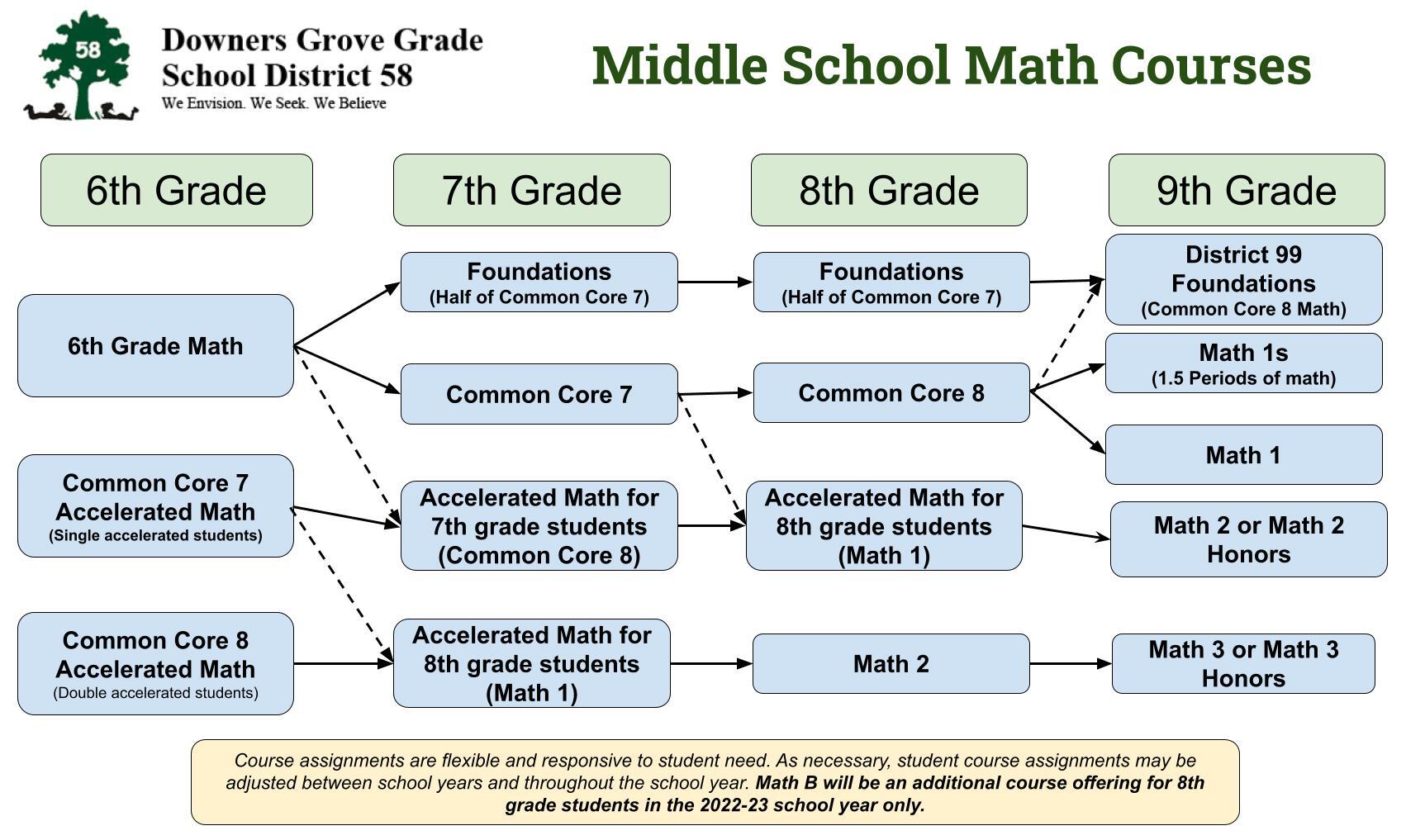
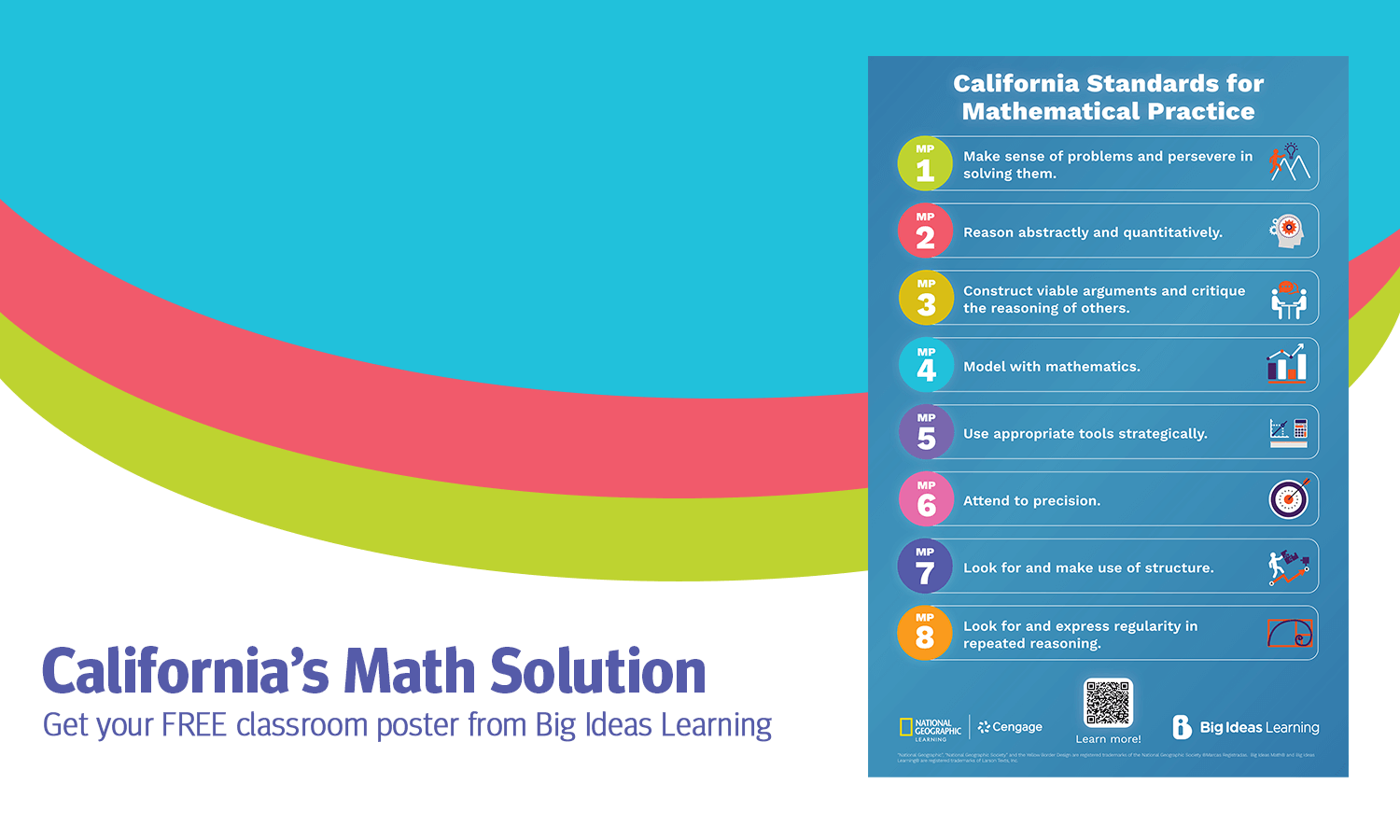

Oregon follows the Common Core State Standards (CCSS) for mathematics. These standards emphasize understanding, reasoning, and real-world application rather than memorizing formulas.
In 6th grade, Oregon students are expected to:
-
Explain their thinking using words, numbers, and models
-
Solve real-life problems using math
-
Understand concepts deeply before moving to advanced topics
For beginners, this means math should be taught clearly, visually, and gradually.
Core Topics in 6th Grade Oregon Math
1. Ratios and Rates
Ratios and rates are one of the most important topics in 6th grade.
Students learn to:
-
Compare quantities using ratios
-
Find unit rates
-
Solve word problems involving speed, cost, and distance
Example:
If 4 notebooks cost $8, what is the cost of one notebook?
Understanding ratios prepares students for percentages, proportions, and algebra in later grades.
2. Fractions and Decimals


Fractions often feel challenging for beginners, but 6th grade focuses on making them meaningful.
Students practice:
-
Dividing fractions by whole numbers and fractions
-
Converting fractions to decimals
-
Solving real-world fraction problems
Visual models such as fraction bars and number lines are especially helpful for Oregon math beginners.
3. Integers and the Number Line
Sixth grade is usually the first time students work with negative numbers.
They learn to:
-
Understand positive and negative integers
-
Compare values on a number line
-
Find absolute value
Real-life connections—like temperature, elevation, and money—make these concepts easier to understand and remember.
4. Expressions and Equations (Pre-Algebra)

This topic introduces students to algebraic thinking.
Students learn:
-
What variables represent
-
How to write expressions
-
How to solve one-step equations
Example: x + 7 = 15
For beginners, the goal is understanding—not speed or memorization.
5. Geometry: Area, Surface Area, and Volume
Geometry in 6th grade becomes more practical and visual.
Students calculate:
-
Area of triangles and polygons
-
Surface area of rectangular prisms
-
Volume of 3D shapes
Hands-on learning with real objects helps beginners succeed in this area.
6. Statistics and Data Analysis
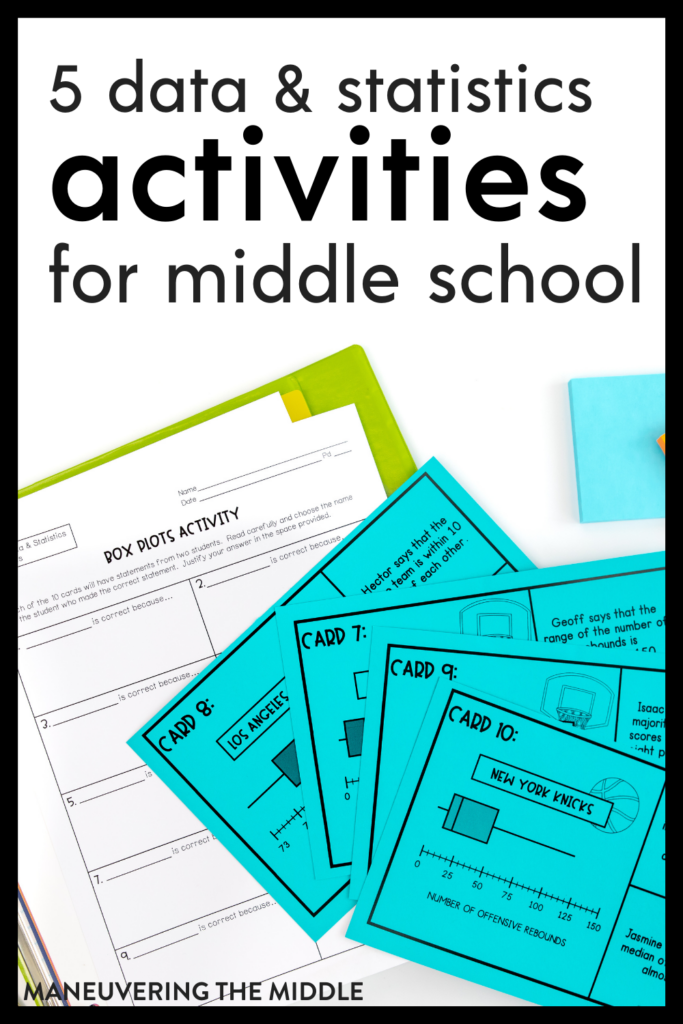
Students explore:
-
Mean, median, and range
-
Reading and interpreting data
-
Box plots and graphs
These skills help students apply math to real-world decision-making and problem-solving.
Why Oregon Math Beginners Need Extra Support
Not all students start 6th grade at the same level. Some may:
-
Feel anxious about math
-
Have gaps from earlier grades
-
Struggle with word problems
A 6th Grade Oregon Math for Beginners approach focuses on:
-
Clear explanations
-
Step-by-step practice
-
Visual learning
-
Building confidence gradually
When students feel safe and supported, learning improves dramatically.
How Parents Can Help at Home
Parents play a powerful role in math success—even without being math experts.
Helpful strategies include:
-
Asking children to explain their thinking
-
Practicing math through daily activities
-
Encouraging effort, not perfection
-
Using Oregon-aligned beginner workbooks
Small, consistent practice makes a big difference.
Teaching Tips for Oregon Educators and Tutors
Teachers and tutors can support beginners by:
-
Using simple language before technical terms
-
Connecting lessons to real life
-
Reviewing foundational skills regularly
-
Allowing mistakes as part of learning
Confidence grows when students understand why math works.
Choosing the Right 6th Grade Oregon Math Resources
When selecting materials, look for:
-
Alignment with Oregon / Common Core standards
-
Beginner-friendly explanations
-
Visual models and guided practice
-
Word problems similar to classroom assessments
Avoid resources that rush concepts or skip explanations.
Final Thoughts: Building Strong Math Skills for the Future
Sixth grade math in Oregon sets the stage for middle school and beyond. With the right beginner-focused support, students can:
-
Develop strong foundations
-
Gain confidence
-
Enjoy learning math
Remember:
Math is learned through understanding, practice, and encouragement—not memorization alone.